

Do you have a “Frank” in your company?
“The eternal problem of the mechanical engineer is waiting for parts.”
As an engineer, you can create a complex CAD model in minutes or hours, but manufacturing... You have to wait weeks or months. We miss product delivery deadlines, new products are delayed, we miss business opportunities, and we can't compete. Long lead times slow your company's ability to innovate, increase time to market, and reduce margins. According to a Timex survey, the average person spends about 5 years of their life waiting for things.
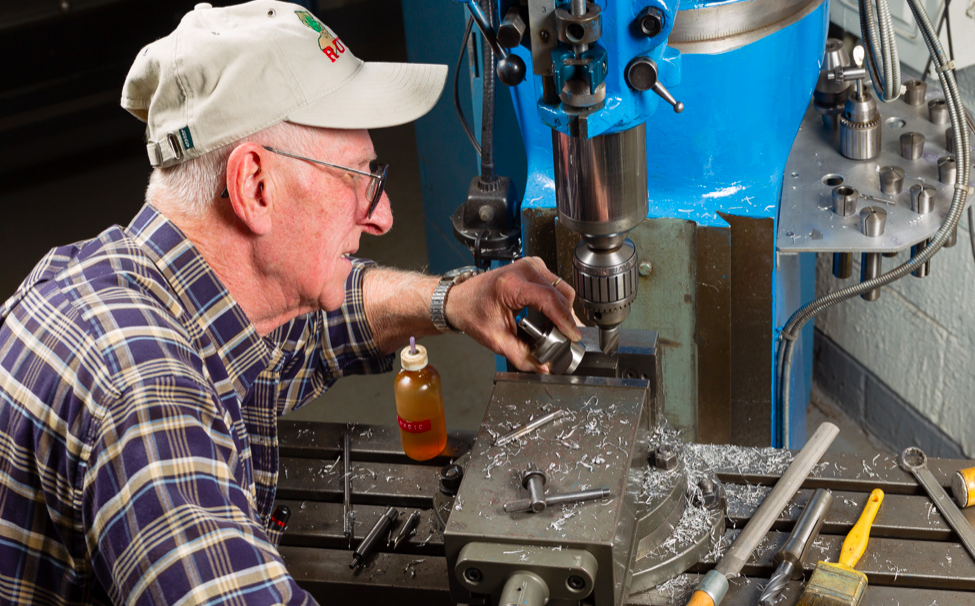
So why does it take so long for your parts to be finished?
This is "Frank." Frank works in your workshop or Frank works in a manufacturing facility to which you outsource your production. Since all parts production is managed by Frank, he controls when you receive your parts and the company's production schedule. He tells you what you can and can't do, and his time to create your CAD model is between 2 and 6 weeks. In the worst case, he is based overseas and will take months to manufacture your parts. In many cases, internal R&D/factory departments give up and opt to outsource parts manufacturing.
Markforged was founded five years ago in Greg Marks' living room. Long lead times forced him to seek a better method for producing strong parts. His dream: to enable engineers to quickly produce high-strength parts. From this necessity, the idea of merging carbon fiber production and 3D printing technology was born.
What about 3D printing on demand?
Before Markforged, you could 3D print parts out of plastic, but plastic isn't strong enough for industrial applications.
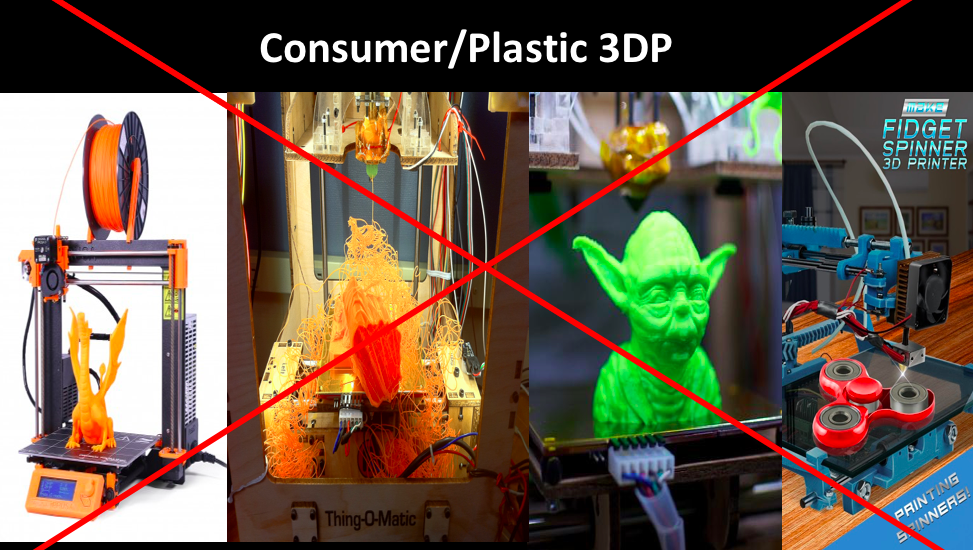
Plastic 3D printers produce parts that are weak and prone to breakage in industrial applications, lack tolerances, exhibit poor surface finishes and low heat deflection temperatures, are intolerant of cutting fluids used in machine tools, and are sensitive to chemicals used in process industries. To implement 3D printing at scale, the industry needed reliable, repeatable processes that ensure production quality.
“Ultimately, the part you produce and offer to your customers represents your company.”
Request a DEMO component now!
See for yourself how strong the components are.
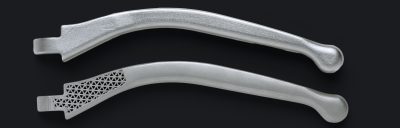
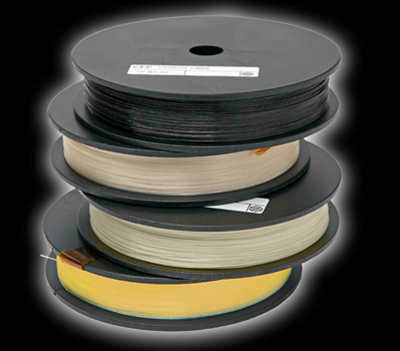
The difference between carbon fibers
Markforged has figured out how to 3D print continuous fibers. And they've made it affordable enough to be deployed on any engineer's desktop. By moving from prototype to functional prototype to develop final-use parts as strong as steel, industrial additive manufacturing is rapidly gaining industry acceptance. By 3D printing parts previously manufactured with CNC/milling, you save time and money.
“Now you can enjoy the reliability of CNC parts with the flexibility of 3D printing.”
Markforged's unique composite reinforcement technology makes printing with the strength of aluminum possible. All our parts have a nylon (or onyx) outer layer, with the option of infilling the structure and adding fiber reinforcement. 3D printed parts are stiffer and stronger than ever before!
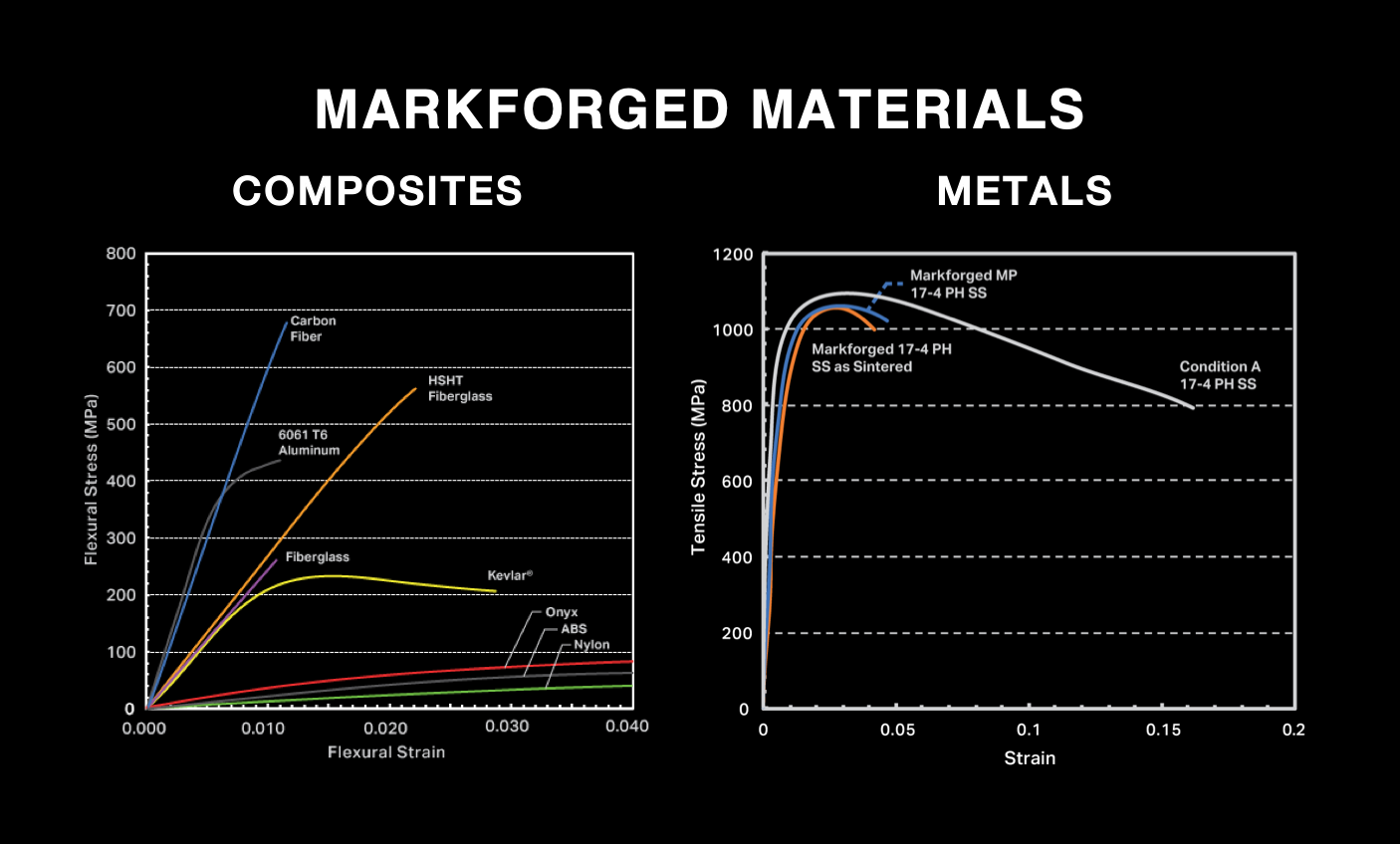
More stable than aluminum. Markforged continuous fiber-reinforced parts are in a completely different class than conventional 3D printing plastics. On the left, we see Onyx (our base plastic) and how it compares to ABS and nylon. The same lines are shown in the graph on the right, but they're squashed in the lower right corner—this is because continuous fiber reinforcement is the only way to make a plastic part stronger than aluminum. How strong are these parts, really? Can they support up to 10 tons?!
The results
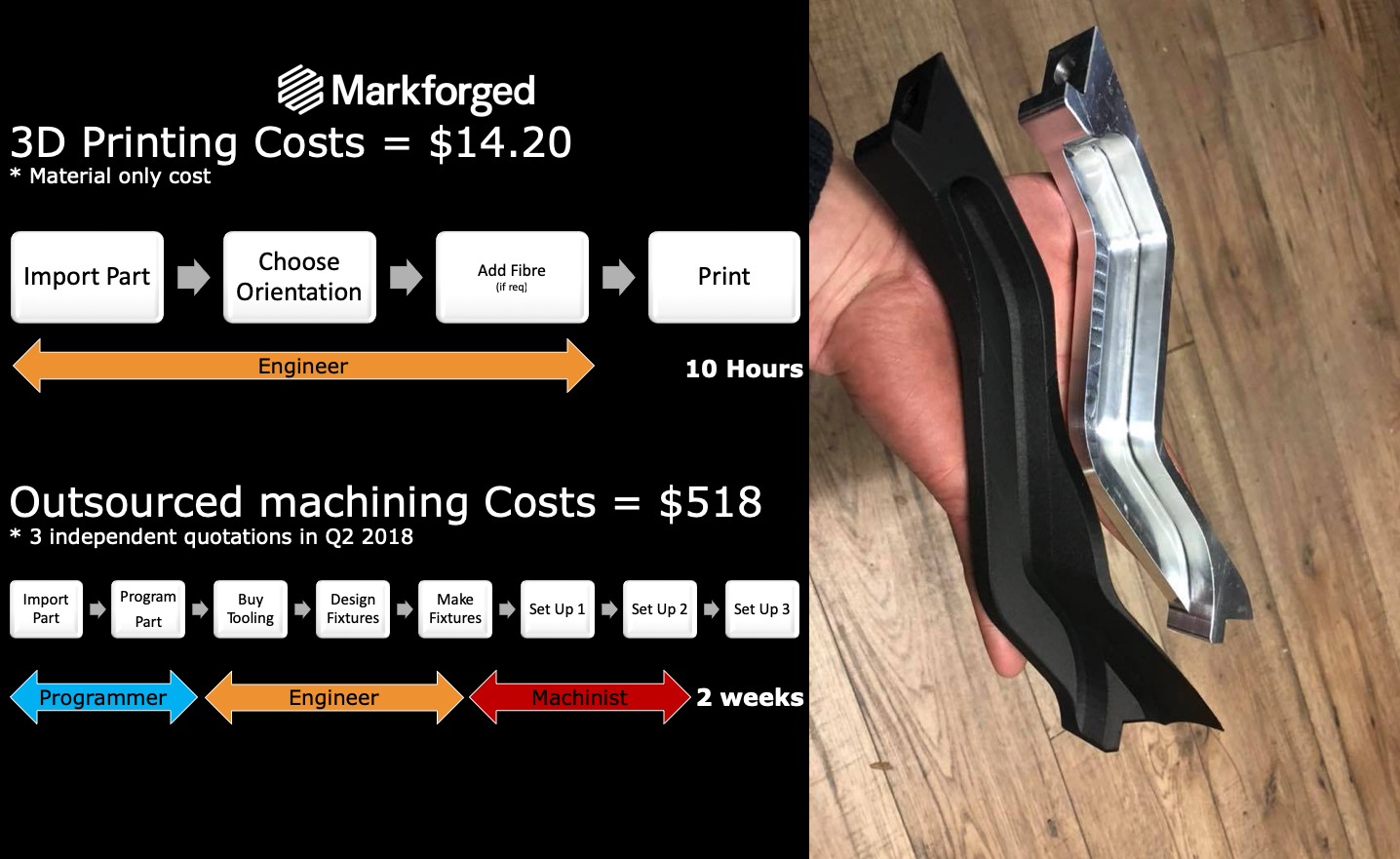
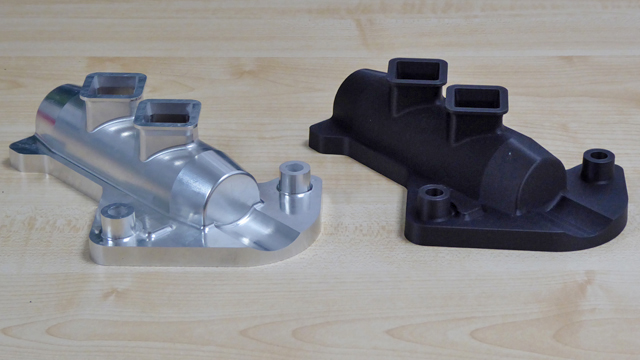
So what does this mean? You can now produce parts 23x stronger than traditional printed plastics, 50x faster than machining, and at 1/20 the cost of traditional strong part manufacturing processes. On the left is an example of a 3D printed part stronger than aluminum, produced for a material cost of $14.20 and in 10 hours without an operator present. Produced by an engineer at $10.01 per hour. To have the same part produced through outsourced production would take me two weeks and cost $14.51 per hour.
The printer offer
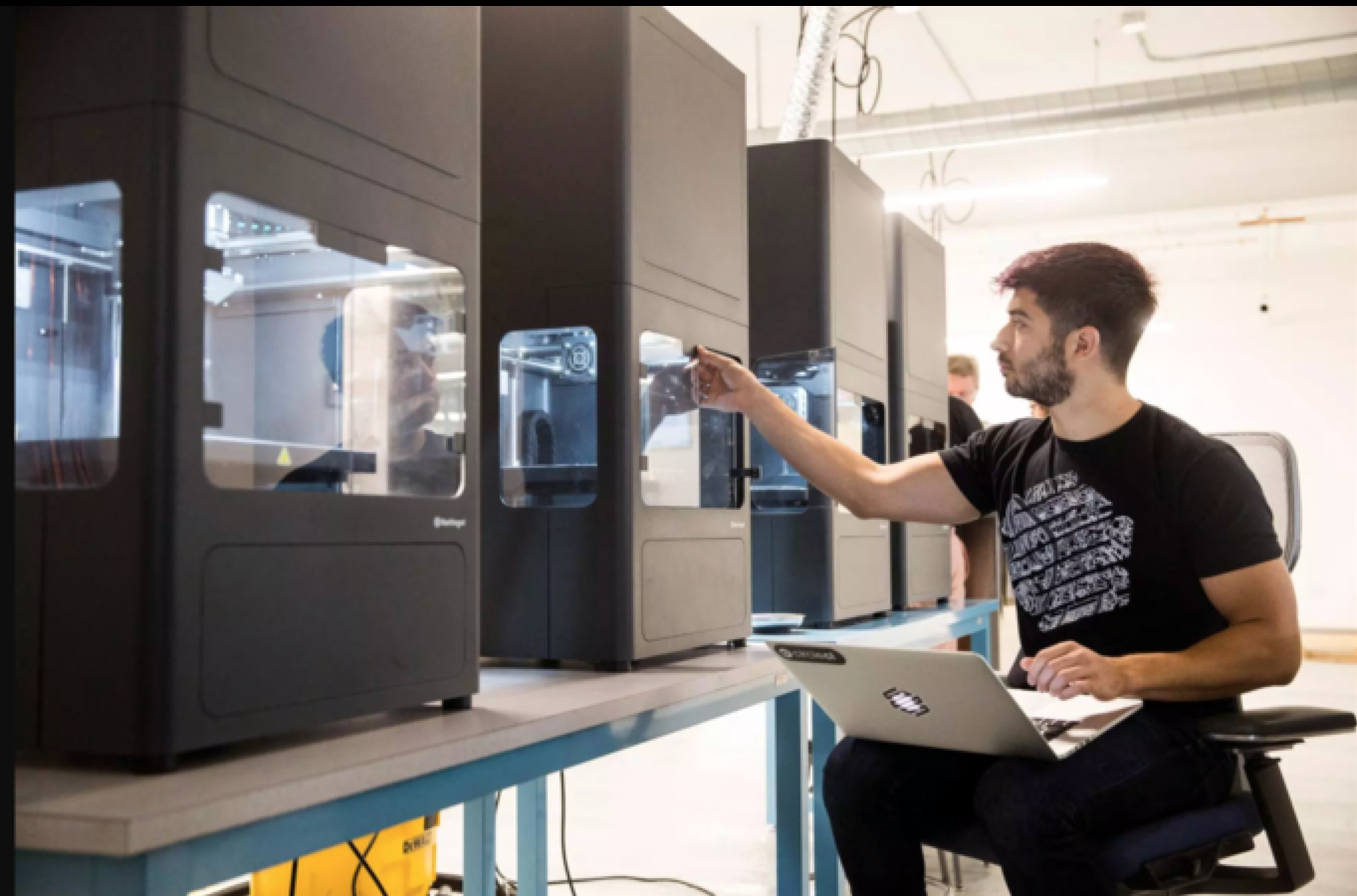
Press print once and you're done! If you need functional prototypes, use one printer. For production, use 100. We already have our own printing facility—we have a fleet of 30 printers with 11,000 sample parts per month!
The success story of Markforged
There must be a lot of Franks in the world, because Markforged has grown exponentially. The company is in hypergrowth mode and was recently nominated by Forbes as the next billion-dollar company (https://www.prnewswire.com/news-releases/deloitte-unveils-2018-north-america-technology-fast-500-rankings-300750856.html) – the fastest-growing hardware company on the list!
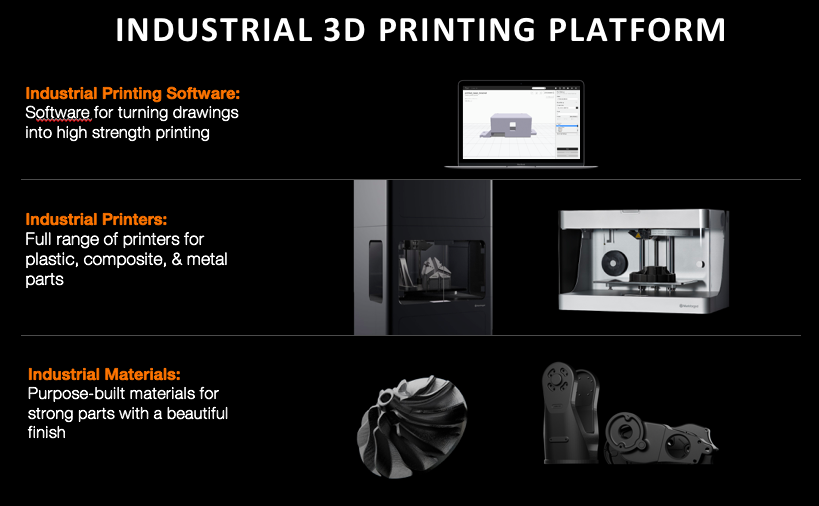
Markforged is the only company offering an industrial 3D printing platform—software, printers, and materials are designed to deliver a seamless experience, resulting in an incredibly easy-to-use solution with high-quality parts. It's the perfect solution to take you from idea to part.
Production at the touch of a button
ANYONE can print within an hour WITHOUT ANY experience. With the Markforged Eiger slicing software, we make selecting a part and material, as well as printing, so easy. The printer offering. And an organization of users. From anywhere. In any location in the world. The software is available for free (www.eiger.io)
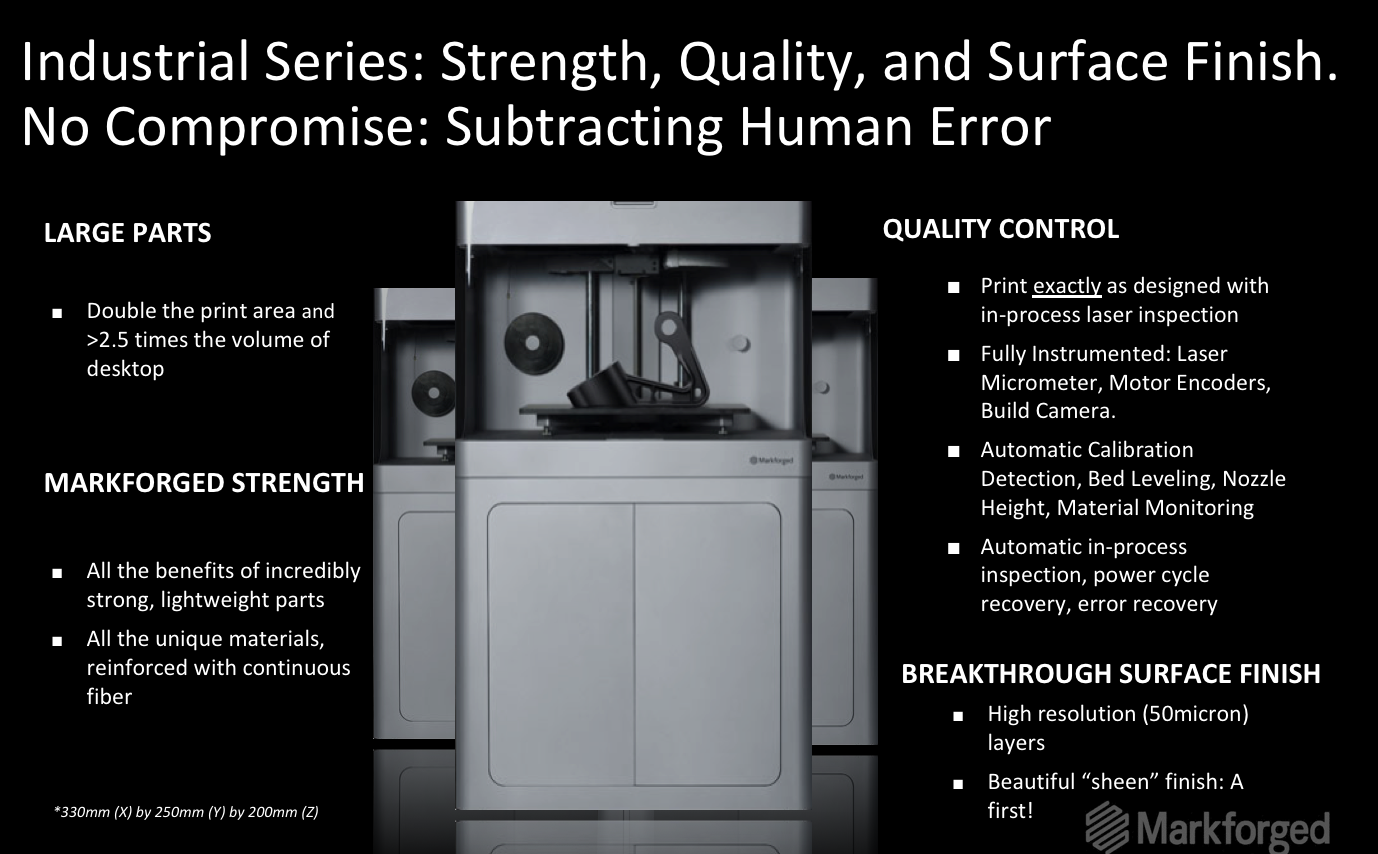
All industry-leading Markforged advantages for stable, ready-to-use, and functional prototype parts. Markforged has precisely configured each industrial machine with a complete sensor suite, including motor encoders and calibration lasers, to compensate for single-digit changes in room temperature. The X7 features laser inspection that scans parts mid-print to ensure dimensional accuracy for the most critical tolerances and repeatability.
Top-class customers
Thanks to the uniqueness of Markforged parts, we have achieved broad acceptance across all industries – Markforged has become the first port of call for high-performance parts. Our customers include Porsche, Microsoft, and Siemens.
Overview – Industry 4.0 is NOW
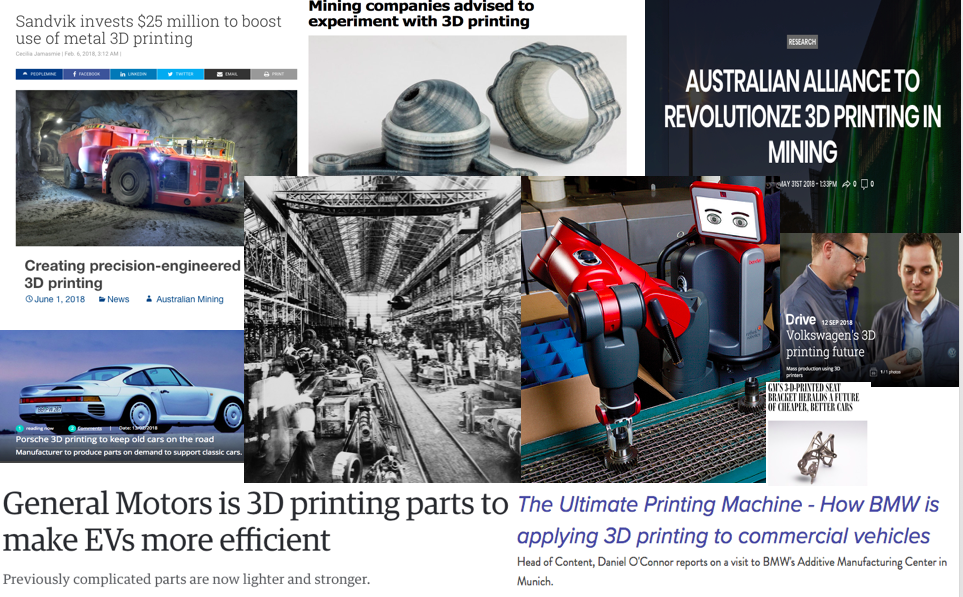
Take a moment to consider the changes this technology is bringing to the way we design and manufacture things today and tomorrow. If you look around, you'll see numerous ways to apply additive manufacturing to win more business opportunities, develop more innovative products, and overcome competitive challenges. From now on, you no longer have to rely on "Frank" and can produce the parts you need, whenever you need them.
Welcome to the future of manufacturing.
Learn more about 3D printing with continuous fibers!
Which continuous filament is suitable for which application? How do I design correctly for filament 3D printing? What do users say about it, and where can I find more information? – You've come to the right place! We've listed several information sources that will help you get the answers you need.

Hinterlasse einen Kommentar