
Removing the Bottlenecks
Freeing production capacity by reducing tooling delays – without adding machines, people, or suppliers.
For manufacturing teams under pressure to improve throughput and delivery reliability.
The delays that don’t appear on the schedule.
In many factories, the biggest constraints aren’t headline machines or people – they’re the small, time-critical parts that quietly hold everything else up.
Fixtures, jigs, and one-off tooling often sit in CNC queues or supplier backlogs for weeks. When they’re late, assembly waits, inspection waits, and production start dates slip – even when capacity exists elsewhere.
These delays are easy to accept as “just part of manufacturing”, but they don’t have to be.
Featured Insight
Why More Manufacturers Are Bringing Tooling Back In-House
Tooling rarely appears on capital investment plans, yet it often dictates how smoothly production runs. This article looks at why tooling has become an overlooked bottleneck on the factory floor – and what changes when some of it is brought back in-house.
Where FX10 Fits
One way manufacturers are addressing tooling delays is by producing certain types of tooling in-house using production -grade composite systems.
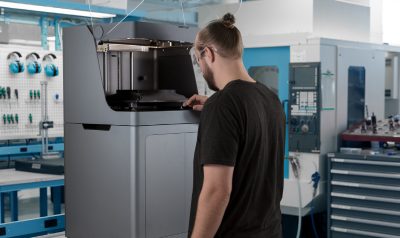
FX10 is designed for industrial environments and is typically used to produce jigs, fixtures, and production aids where machining is slow, expensive, or capacity-constrained.
Used this way, FX10 helps teams reduce tooling lead times, free up CNC capacity and improve delivery predictability – without disrupting existing processes.
A practical production decision
Manufacturers adopting this approach aren’t replacing machining or changing how their factories run. They’re simply using the right process for the right parts.
By removing low-value, time-critical tooling from CNC queues, they protect machining capacity and reduce reliance on external suppliers – often seeing lead times drop from weeks to days.
Is this relevant to your factory?
Bringing tooling in-house isn’t right for every operation. But where fixtures and jigs are produced regularly, and CNC capacity or supplier lead times are a constraint, it can remove more friction than expected.
A short conversation is usually enough to confirm whether this approach makes sense – or whether it doesn’t
Have a short conversation about your tooling process. Book a call with one of our team.
Book a Call Back
Please enter your details here to enable us to get in touch.
Trusted by Manufacturers Worldwide
Join the growing number of manufacturers using 3D scanning and printing for manufacturing success.
-
- UK-based support, training, and service
- Proven case studies across aerospace, automotive, and tooling
- Trusted by industry leaders