
Artec Leo vs Artec Spider II
Choosing the right 3D scanner for reverse engineering, inspection and manufacturing workflows.
Choosing the right professional 3D scanner is less about specifications – and more about application.
Both Artec Leo and Artec Spider II are powerful tools for reverse engineering, inspection and digital manufacturing workflows. But they are designed for different priorities.
If you’re evaluating in-house 3D scanning for manufacturing, this guide will help you determine which system best fits your environment.
Which Scanner Fits Your Application?
| If your application involves: | Best Choice |
|---|---|
| Scanning large parts or fixtures on the shop floor | Artec Leo |
| Capturing fine detail on small, intricate components | Artec Spider II |
| Working wirelessly without external hardware | Artec Leo |
| High-resolution capture of complex geometry | Artec Spider II |
| Fast scanning in production environments | Artec Leo |
| Precision reverse engineering of tooling and inserts | Artec Spider II |
If you’re unsure, the decision usually comes down to part size, required resolution, and where the scanning will take place.
Typical Parts Scanned
| Artec Leo | Artec Spider II |
|---|---|
| Large mechanical components | Precision brackets |
| Production fixtures | Mould inserts |
| Automotive panels | Small engineered parts |
| Machine assemblies | Complex tooling |
Artec Leo
Fast. Portable. Production Ready
Artec Leo is designed for manufacturing environments where mobility and speed matter.
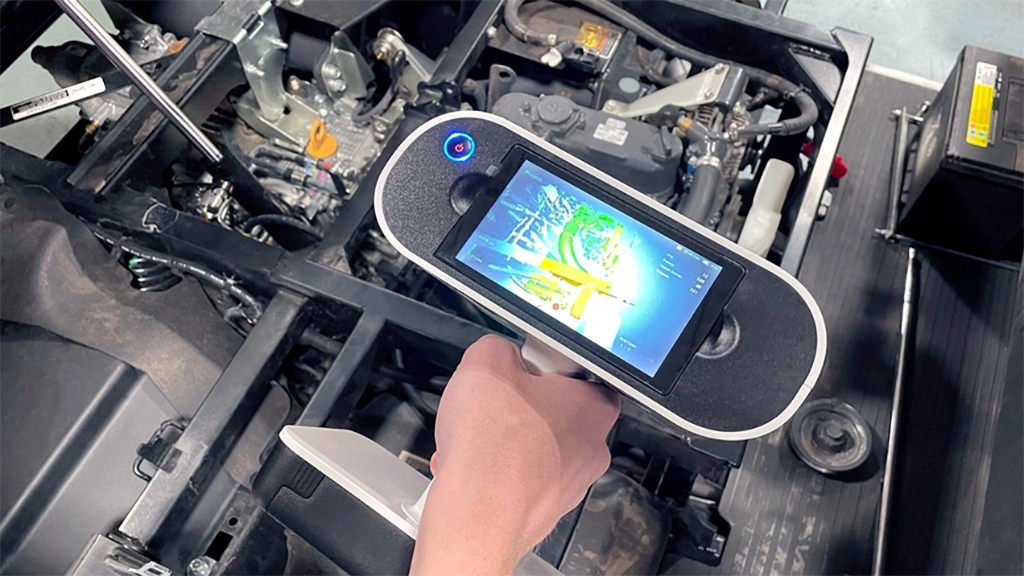
Its fully integrated, wireless design allows engineers to capture large or complex parts 3D data directly on the shop floor wihtout needing a laptop or external power source. Real-time processing enables fast feedback, making it particularly well suited to production environments.
Best suited for:
- Medium to large components
- Tooling and fixtures
- Machine parts
- Production line troubleshooting
- Field-based scanning
If your team needs to capture geometry quickly and move on with reverse engineering or inspection, Leo is often the practical choice.
Artec Spider II
High-Resolution Precision for Complex Geometry
Artec Spider II is built for applications requiring fine detail and exceptional accuracy.
It is particularly effective when scanning small or intricate parts where surface complexity, tight tolerances and detailed geometry are critical.
Best suited for:
- Precision mechanical components>
- Moulds and inserts
- Small brackets and fittings
- Detailed reverse engineering
- High-resolution inspection tasks
Spider II prioritise resolution and geometric fidelity. If your application demands detailed feature capture and tight tolerance verification, it is typically the stronger fit.
Technical Comparison Overview
| Feature | Artec Leo | Artec Spider II |
|---|---|---|
| Portability | Fully wireless, standalone | Tethered setup |
| Ideal Part Size | Medium to large | Small to medium |
| Primary Strength | Speed & usability | Fine detail and precision |
| Shop Floor Suitability | Excellent | Best suited to lab/bench |
| Reverse Engineering | Strong | Exceptional for intricate parts |
| Inspection Workflows | Fast capture | High-resolution validation |
Both systems integrate seamlessly with reverse engineering software, CAD platforms such as SolidWorks and Fusion, and inspection tools.
Application-Based Comparison
Reverse Engineering
If your priority is capturing large or awkward components quickly, Artec Leo provides flexibility and speed.
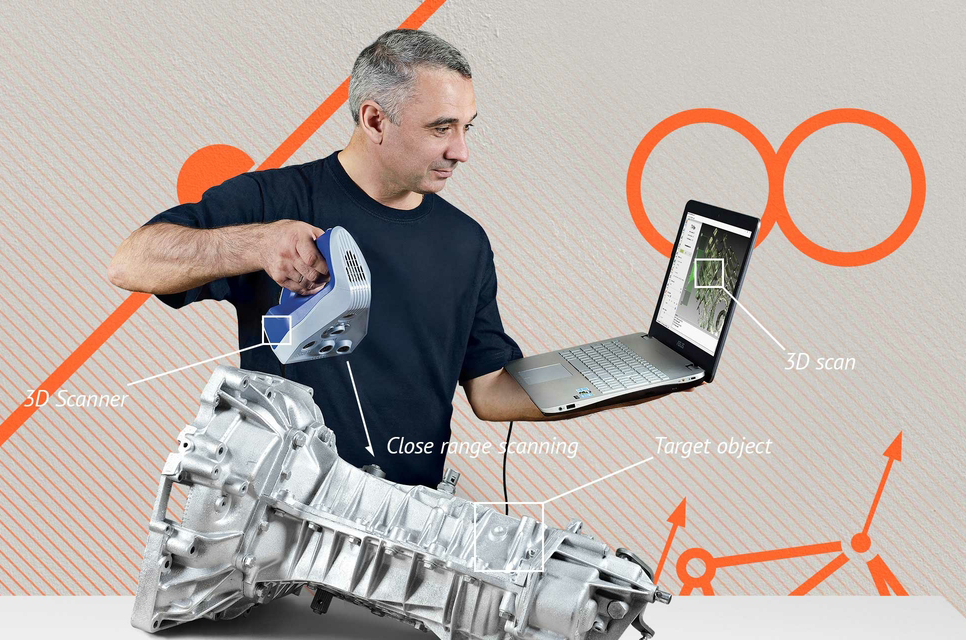
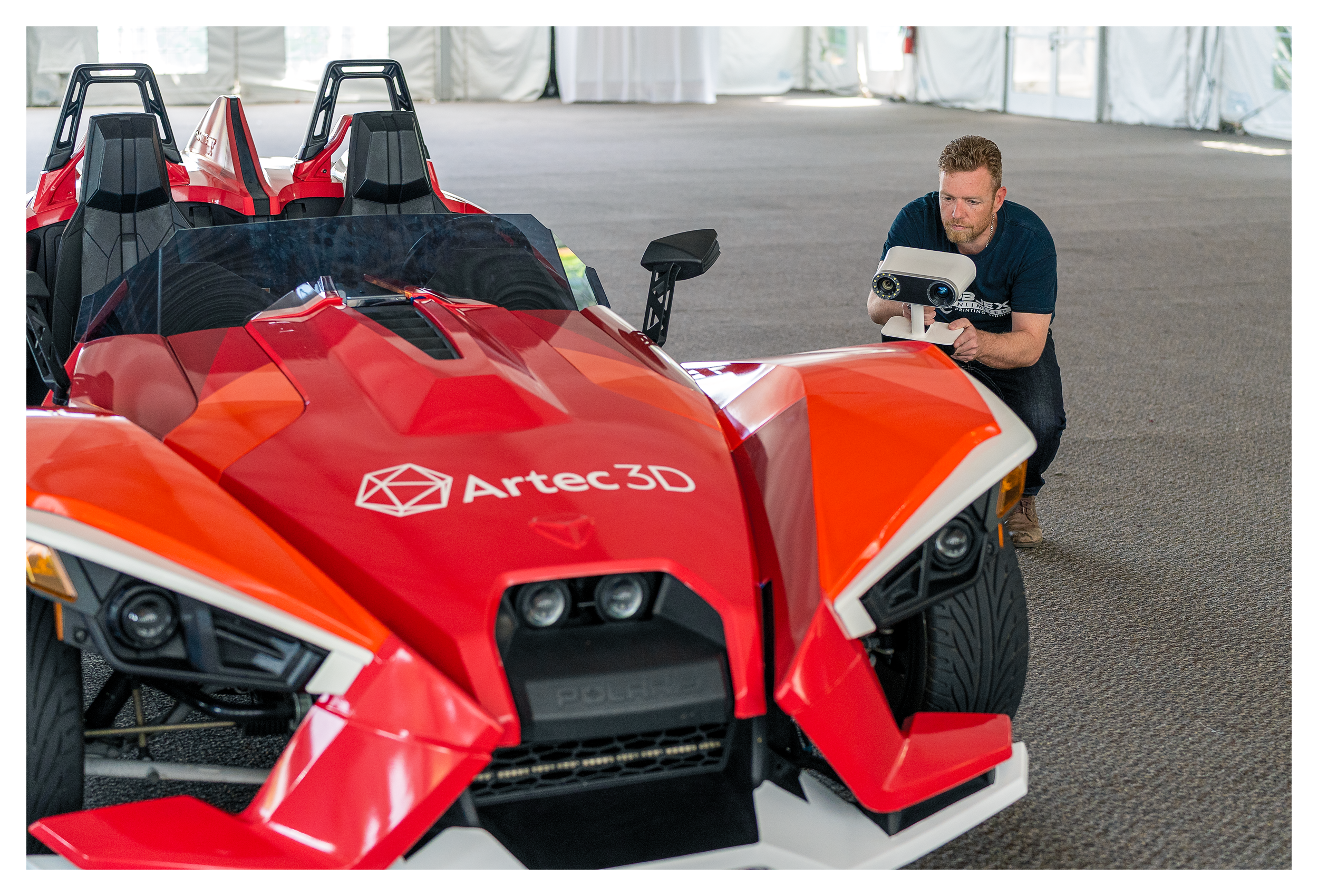
If your focus is rebuilding small components with complex geometry and fine features, Artec Spider II offers superior detail capture.
Inspection & Validation
For rapid inspection of assemblies or larger components, Leo delivers fast full-surface capture.
For precision inspection where feature-level accuracy is critical, Spider II enables more detailed deviation analysis.


Tooling & Fixtures
Large jigs, fixtures and production equipment are typically best handled with Leo.
Intricate mould tooling, inserts and precision-engineered parts often benefit from Spider II’s higher resolution.
A Quick Application Check
Workflow Integration: Beyond Scanning
Both Artec Leo and Artec Spider II support complete digital workflows: Scan – Rebuild – Validate – Manufacture.
Once accurate digital geometry is captured, engineering teams can:
- Reverse engineer into parametric CAD
- Modify worn or obsolete components
- Perform deviation analysis
- Prepare parts for machining or additive manufacturing
- Build internal digital libraries
The choice of scanner determines how efficiently and accurately that workflow begins.
When a Dual-System Approach Makes Sense
In some manufacturing environments, both scanners are used together.
Leo handles large-scale shop-floor capture, while Spider II supports detailed lab-based reverse engineering and inspection.
If your applications span both large components and intricate precision parts, we can help assess whether a combined approach is appropriate.
Choosing Based on Workflow, Not Just Specifications
The right decision depends on:
- Typical part size
- Required level of detail
- Tolerance sensitivity
- Where scanning will take place
- Frequency of use
- Integration with existing CAD and inspection tools
Rather than focusing solely on technical specifications, the most effective approach is to review a real component from your facility.
Not Sure Which Scanner Fits Your Application?
The easiest way to decide is by reviewing a real component from your facility.
We’ll look at:
- Part size and geometry
- Detail requirements
- Reverse engineering workflow
- Inspection needs
Then recommend the most suitable scanner.
Bring the part. We’ll scan it. And then recommend the right solution based on practical manufacturing needs.
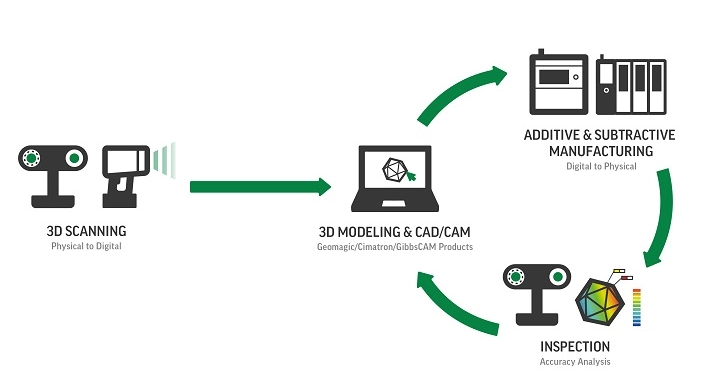
Both Artec Leo and Spider II support complete digital manufacturing workflows