
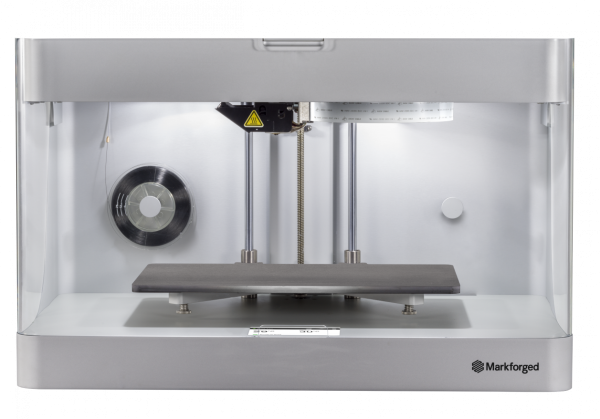
The Markforged Mark Two
The powerful professional 3D printer for aluminium-strength parts
The Markforged Mark Two
The Markforged Mark Two is a professional desktop 3D printer designed to produce strong, functional composite parts from an engineering, workshop or manufacturing environment.
By combining continuous carbon fibre reinforcement with reliable desktop hardware, the Markforged Mark Two gives teams a practical way to produce robust parts without moving to a larger industrial 3D printer.
The Markforged Mark Two 3D printer is suited to engineers and manufacturers who need stronger parts than standard plastic 3D printing can provide, including prototype parts, tooling, fixtures and end-use components.
Why choose the Markforged Mark Two
The Markforged Mark Two is built for teams that need strength, material flexibility and ease of use in a compact desktop system.
It combines Markforged’s continuous fibre reinforcement with Eiger 3D printing software, allowing users to move from CAD to strong functional parts through a controlled and straightforward workflow.
Together, these features make the Mark Two suitable for producing strong composite parts in-house, while keeping the process accessible for engineers and operators.

High-strength printing
The The Markforged Mark Two reinforces parts with composite fibre during the printing process, helping to improve strength, stiffness and durability.
This allows teams to produce parts that are suitable for practical engineering use, rather than visual prototypes alone.
For manufacturers, this creates a useful route to producing strong composite parts in-house for applications where standard plastic printed parts are not suitable.
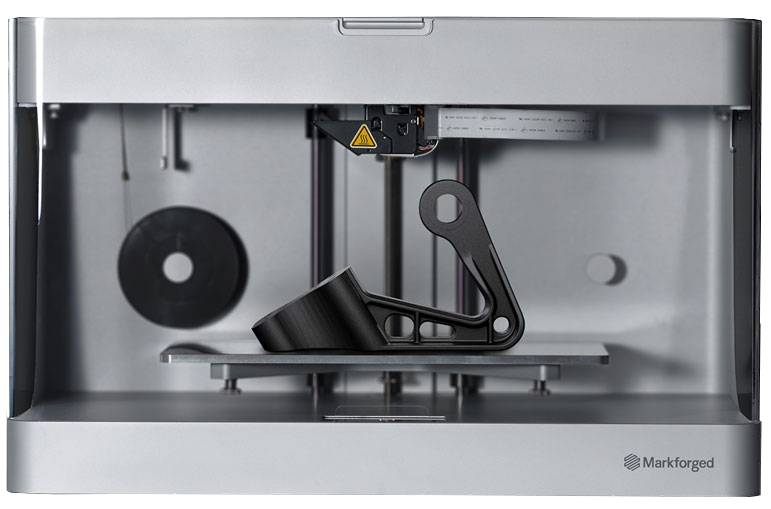
Print with Onyx and composite materials
The Markforged Mark Two can print Onyx as well as composite reinforcement materials, including carbon fibre, fibreglass, HSHT fibreglass and Kevlar.
Onyx gives parts a strong, professional base material, while continuous fibre reinforcement allows additional strength to be added where it is needed.
This material flexibility makes the Mark Two suitable for a wide range of engineering and manufacturing applications.
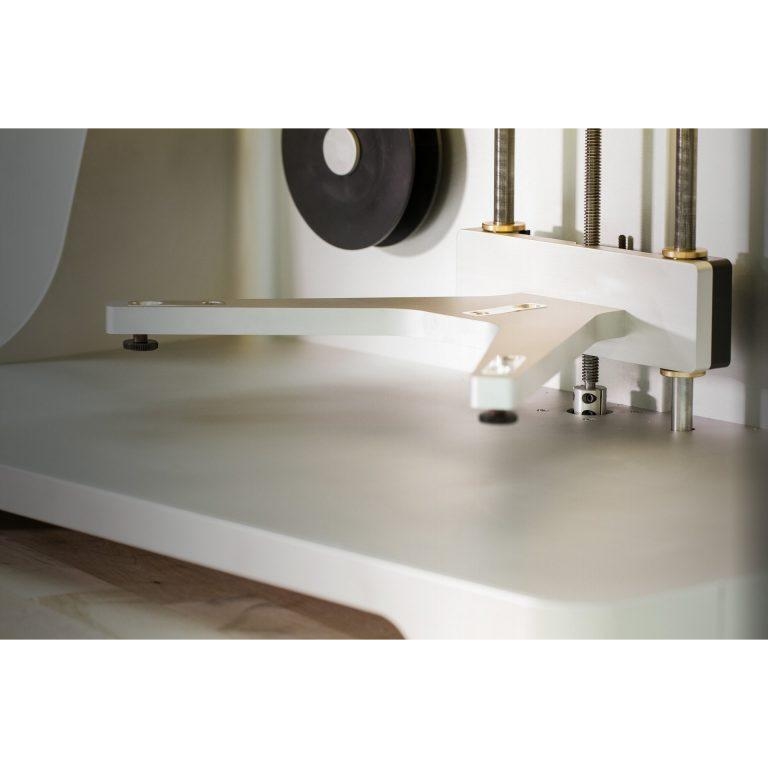
Easy to use
The Markforged Mark Two is designed to be straightforward to use, with cloud-connected software and a built-in touchscreen.
Over-the-air updates help keep Markforged products up to date, while material usage tracking and out-of-material detection help teams monitor prints and reduce waste.
The built-in 4.3″ touchscreen allows operators to start prints, manage the printer and run utilities directly from the machine.
High-Strength Printing
By reinforcing your parts with composite fibre while 3D printing them, the Mark Two achieves unparalleled strength, stiffness and durability.
Range of Materials
In addition to printing Onyx the Mark Two can print in materials such as Carbon Fibre, Fibreglass, HSHT Fibreglass and Kevlar. So this means you can create and print really strong composite parts.
Easy-To-Use
With cloud-connected software it’s easy to provide regular over-the-air updates to help your Markforged products keep getting better. As a result you can also take advantage of material usage tracking and out-of-material detection to help monitor your printers and reduces waste.
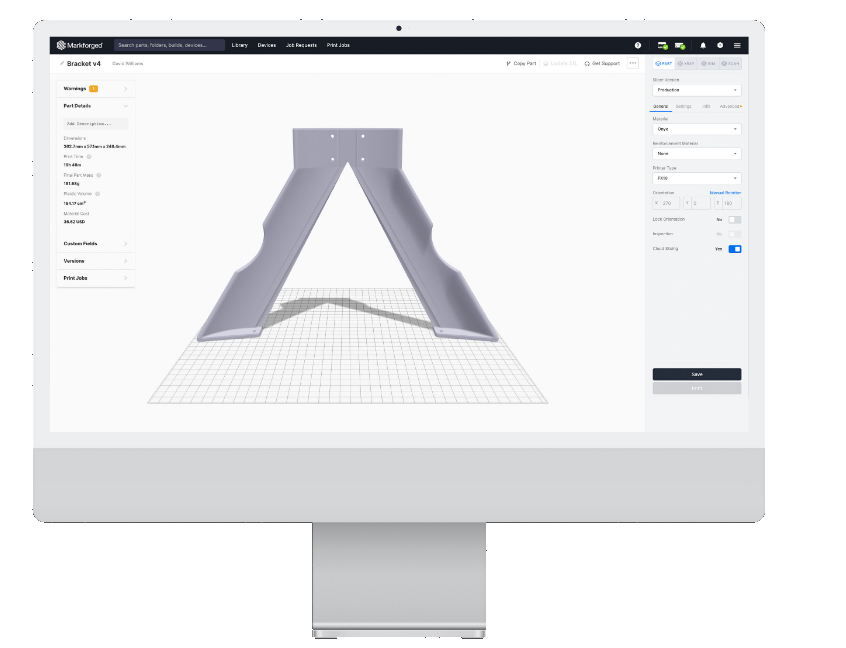
The Digital Forge:
Powered by Software
The Markforged Mark Two is powered by Eiger, Markforged’s browser-based 3D printing software.
Eiger 3D printing software allows users to import a model, slice it and add composite materials for high-strength printing. The browser-based software is designed to be powerful and easy to use, supporting the workflow from CAD file to finished part.
Because Eiger is cloud-connected, it can receive regular updates with new features and performance improvements. Eiger supports:
- Model import and slicing
- Composite material selection
- High-strength print preparation
- Material usage tracking
- Printer management
- Over-the-air updates
This gives engineering teams a controlled workflow for producing composite parts with the Markforged Mark Two.
Materials available
The Markforged Mark Two supports a focused range of plastics and continuous fibres for desktop composite printing.
This includes materials for strength, stiffness, impact resistance, heat resistance and general engineering use.
Base materials


Composite reinforcement materials

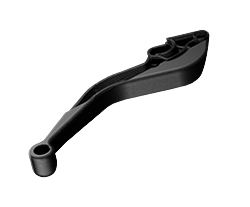

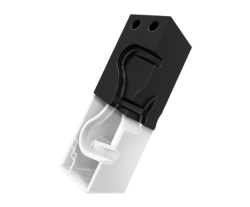

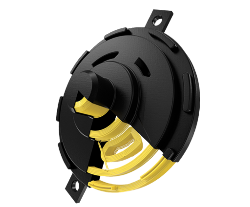

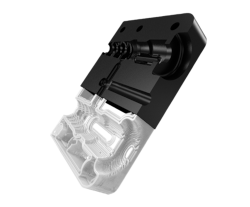
The combination of Markforged Mark Two Onyx parts and continuous fibre reinforcement gives teams the ability to produce strong composite components from a desktop 3D printer.
| Specifications | Markforged Mark Two |
|---|---|
| Printer type | Professional desktop composite 3D printer |
| Reinforcement technology | Continuous fibre reinforcement |
| Base material | Onyx |
| Composite reinforcement materials | Carbon fibre, fibreglass, HSHT fibreglass, Kevlar |
Speak to Mark3D about the Markforged Mark Two
If you would like to understand whether the Markforged Mark Two is suitable for your business, Mark3D can help assess your parts, materials and production requirements.
Contact us to discuss a tailored quote for the Markforged Mark Two.
Mark3D UK Limited
Romsley Point
Farley Lane, Romsley, Halesowen, B62 0LG
Phone: +44 121 661 1151
Freephone: 0800 193 3650
Email: printstronger@mark3d.co.uk
World market leaders rely on Markforged 3D printers

Frequently asked questions about the Markforged Mark Two
What is the Markforged Mark 2 3D printer price?
The price of the Markforged Mark 2 3D printer depends on your requirements, including materials, software needs, and any support or training required. Mark 3D can provide a tailored quote based on your application and production requirements.
Can the Markforged Mark Two print Onyx?
Yes. The Markforged Mark Two can print Onyx. The Markforged Mark Two can also print composite reinforcement materials, including carbon fibre, fibreglass, HSHT fibreglass and Kevlar.
Learn more about the applications with the Desktop Series!
How do I design correctly for filament 3D printing? What do users say and where can I find more information? – This is the right place for you! We listed some information leading you directly to the matching answers.
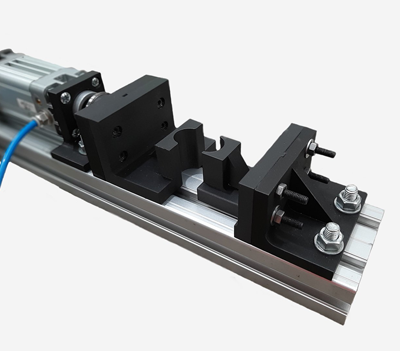
Economics
If you’re talking about the economics of 3D printing, this guide should help you calculate the ROI of a Markforged 3D printer.
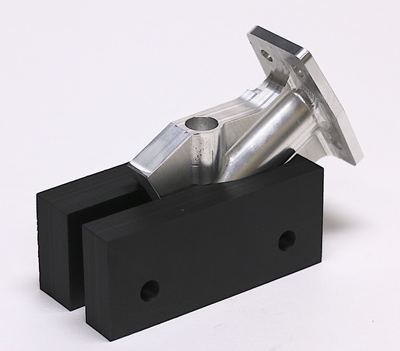
Applications
In this guide we show how you can complement your manufacturing with 3D printed tools. How can you determine a good application? What do you need to consider?
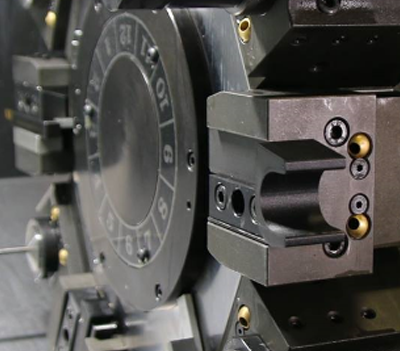
Practical Examples
You can find some case studies and how much cost and time can only be saved by replacing an aid.
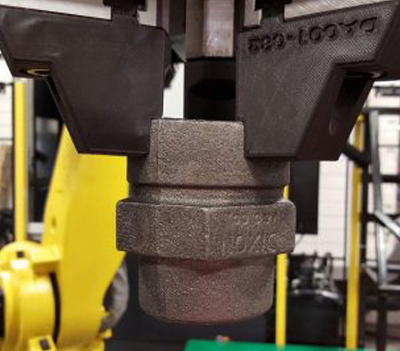
AM on the Production-Line
This white paper provides structure and clarity to that task by demonstrating strategies and applications for integrating high strength AM opportunities on the manufacturing floor.