
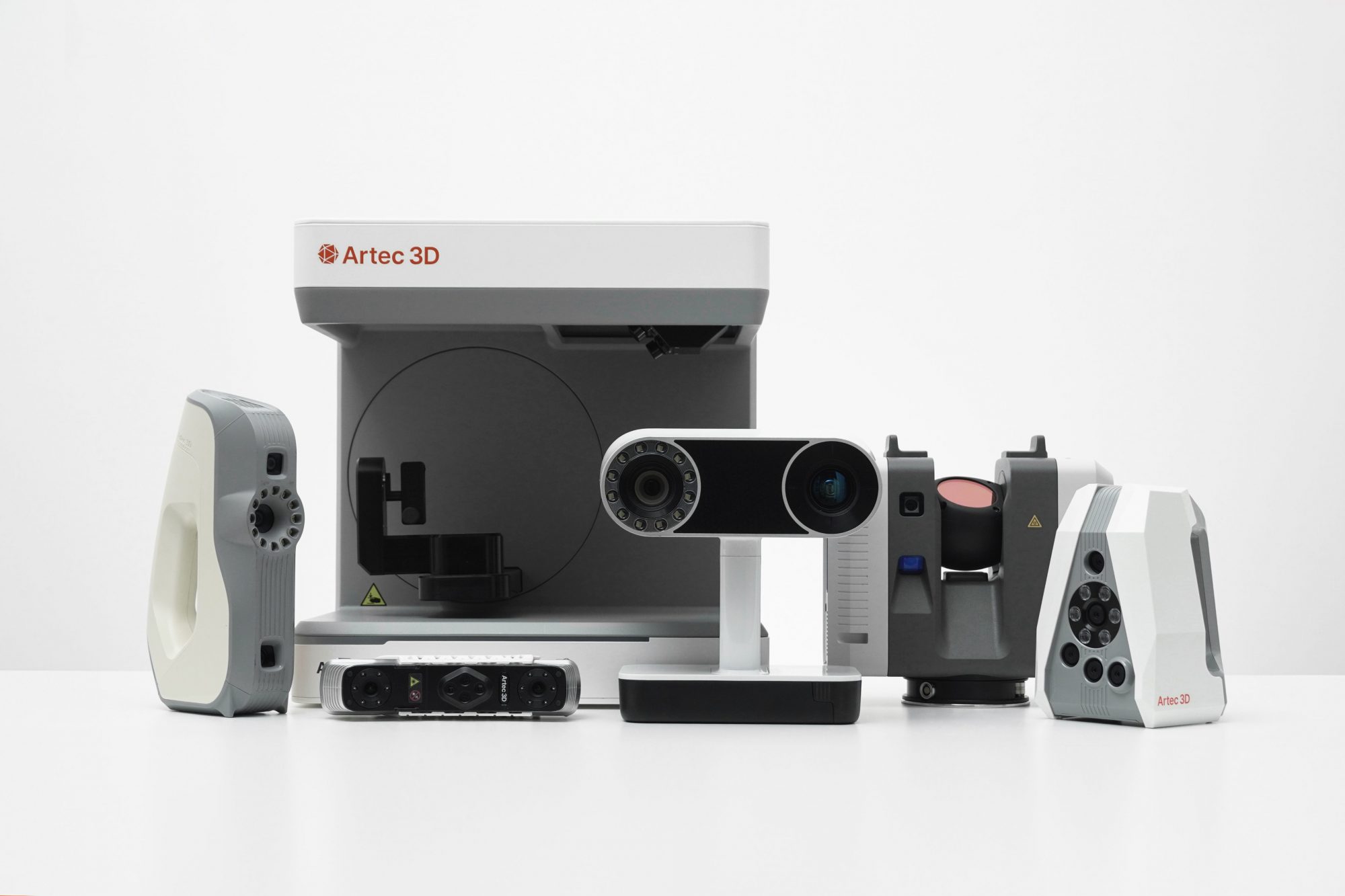
As manufacturing becomes more data-driven, the ability to quickly capture accurate 3D data from real-world objects is becoming increasingly important.
At MACH 2026, we’ll be demonstrating how advanced 3D scanning from Artec 3D is helping engineers accelerate workflows across reverse engineering, inspection, and product development.
With Artec specialists joining us on the stand, visitors will have the opportunity to explore how these technologies can be applied in real engineering environments.
Why 3D Scanning is Gaining Momentum
Many engineering teams face the same challenge: You have a physical part – but no usable CAD data.
Whether it’s a legacy component, a worn part, or a complex geometry, recreating accurate digital models using traditional methods can be time-consuming and error-prone.
This is where modern 3D scanning comes in.
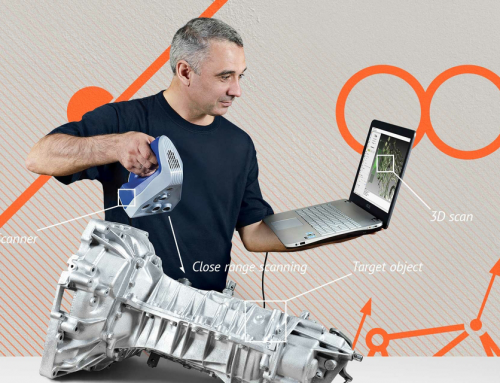
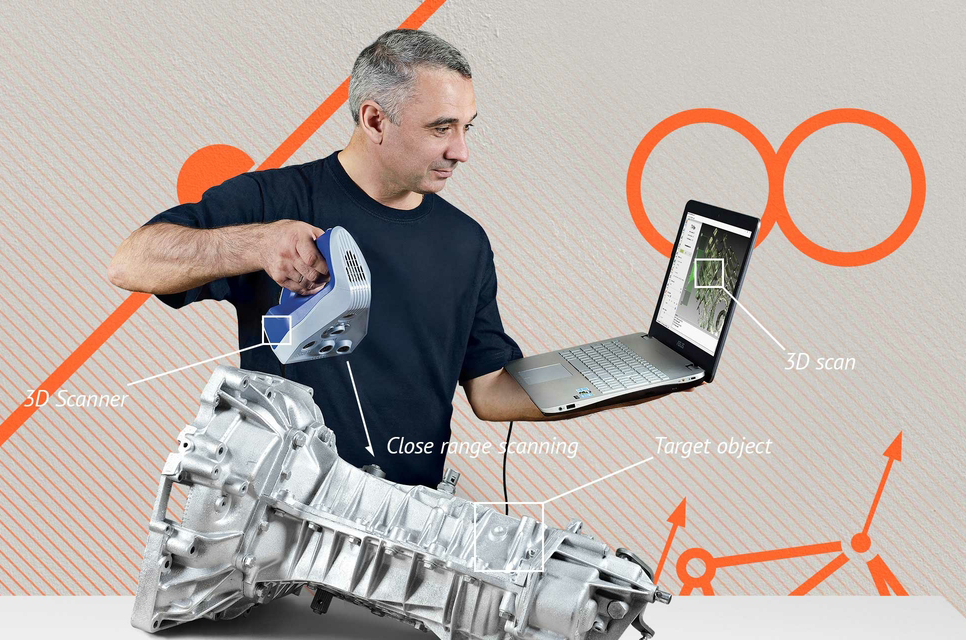
Using handheld scanners such as the Artec Leo and Artec Spider II, engineers can capture highly detailed geometry quickly and without complex setup, dramatically reducing the time required to move from physical part to usable data.
From Physical Parts to Usable Data
Once captured, scan data can be processed into accurate 3D models suitable for:
- Reverse engineering
- Inspection and quality control
- Design modification
- Digital archiving
This enables engineers to work more efficiently and make better informed decisions based on real-world geometry.
In many cases, what previously took days of manual measurement can now be completed in a matter of minutes.
Introducing a New Approach to Large-Scale Scanning
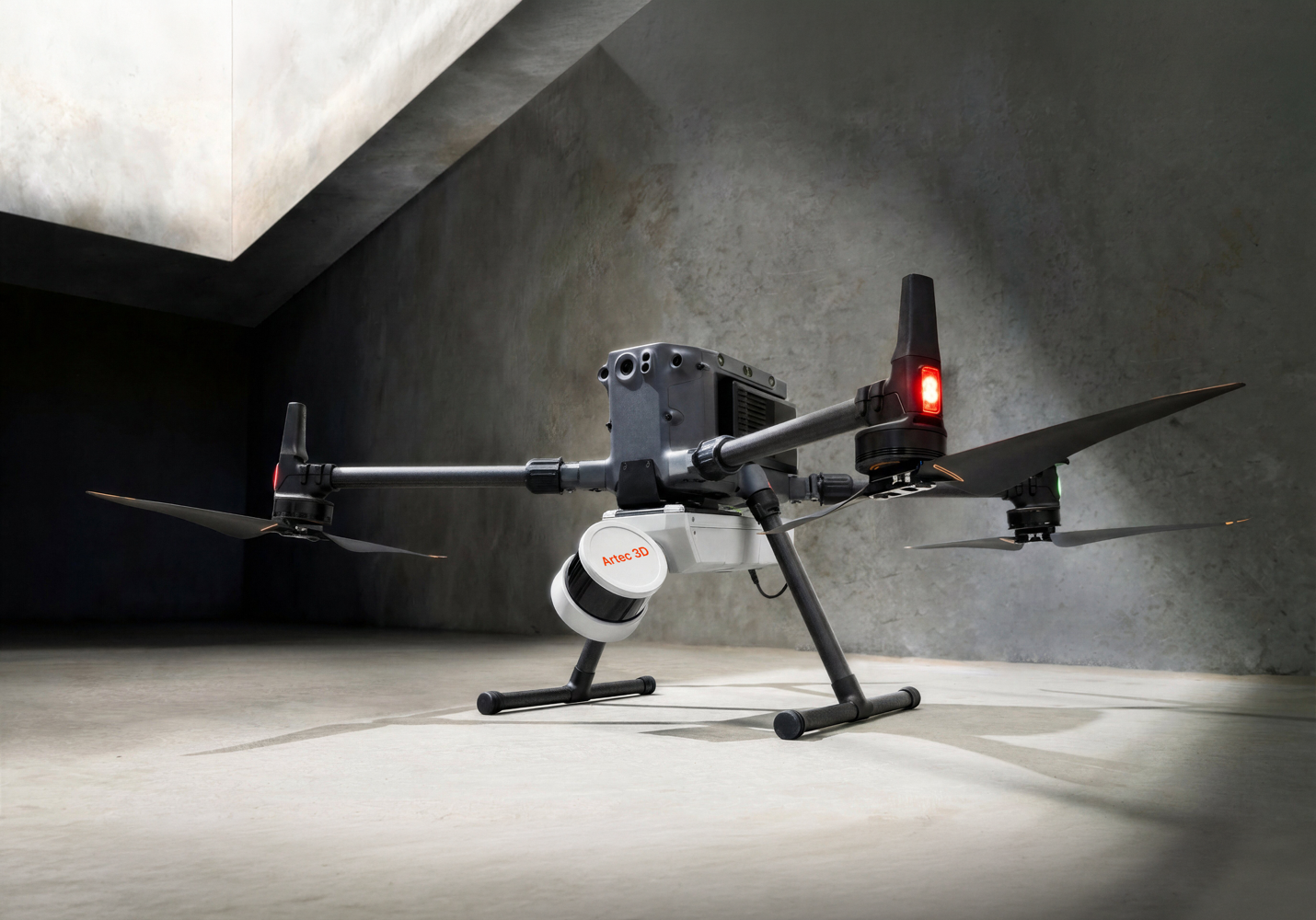
At MACH 2026, we’ll also be introducing the latest addition to the Artec range – the Artec Jet.
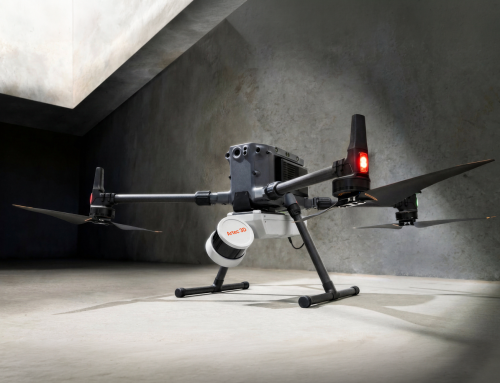
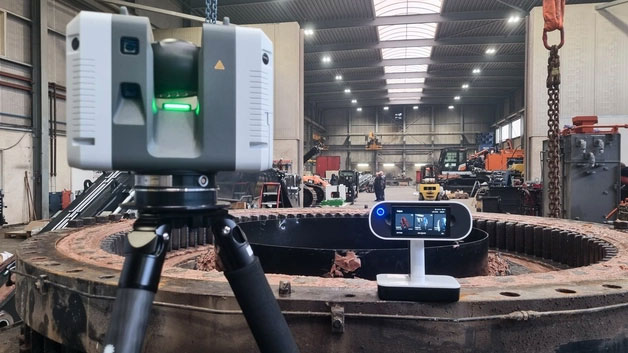
Designed as a high-speed mobile LiDAR system, the Jet enables rapid capture of large environments such as facilities, infrastructure, and complex sites.
Using SLAM-based positioning, it can operate in environments where GPS is unavailable, capturing accurate data at speed and opening up new possibilities for applications such as:
- Digital twin creation
- Site mapping
- Inspection of large assets
While MACH is traditionally focused on manufacturing, these capabilities are becoming increasingly relevant as engineering teams look to integrate real-world data into digital workflows.
From Scan to Manufacturing
3D scanning doesn’t exist in isolation – it plays a critical role in enabling downstream processes.
Once captured and processed, scan data can be used to create or adapt designs that are then manufactured using additive technologies such as Markforged.
This scan-to-print approach allows engineers to:
- Recreate obsolete parts
- Improve existing designs
- Produce functional components quickly
By combining scanning and additive manufacturing, organisations can significantly reduce lead times and improve flexibility.
See It Live at MACH 2026
At MACH, visitors will be able to see Artec scanners in action, with live demonstrations showing how quickly and accurately real-world objects can be digitised.
With Artec experts on the stand, you’ll also have the opportunity to discuss specific applications, challenges, and workflows in detail.
Whether you’re new to 3D scanning or looking to expand your current capability, it’s a chance to see what the technology can really deliver.
Visit Us at MACH 2026
If you’re looking to improve how you capture, use, and act on real-world data, MACH is the perfect place to explore the latest developments in 3D scanning.
Visit us on stand 17-610 to see Artec technology in action and discuss how it can support your engineering workflows. We’ve even got some Show Offers to help you get started.

Leave A Comment