
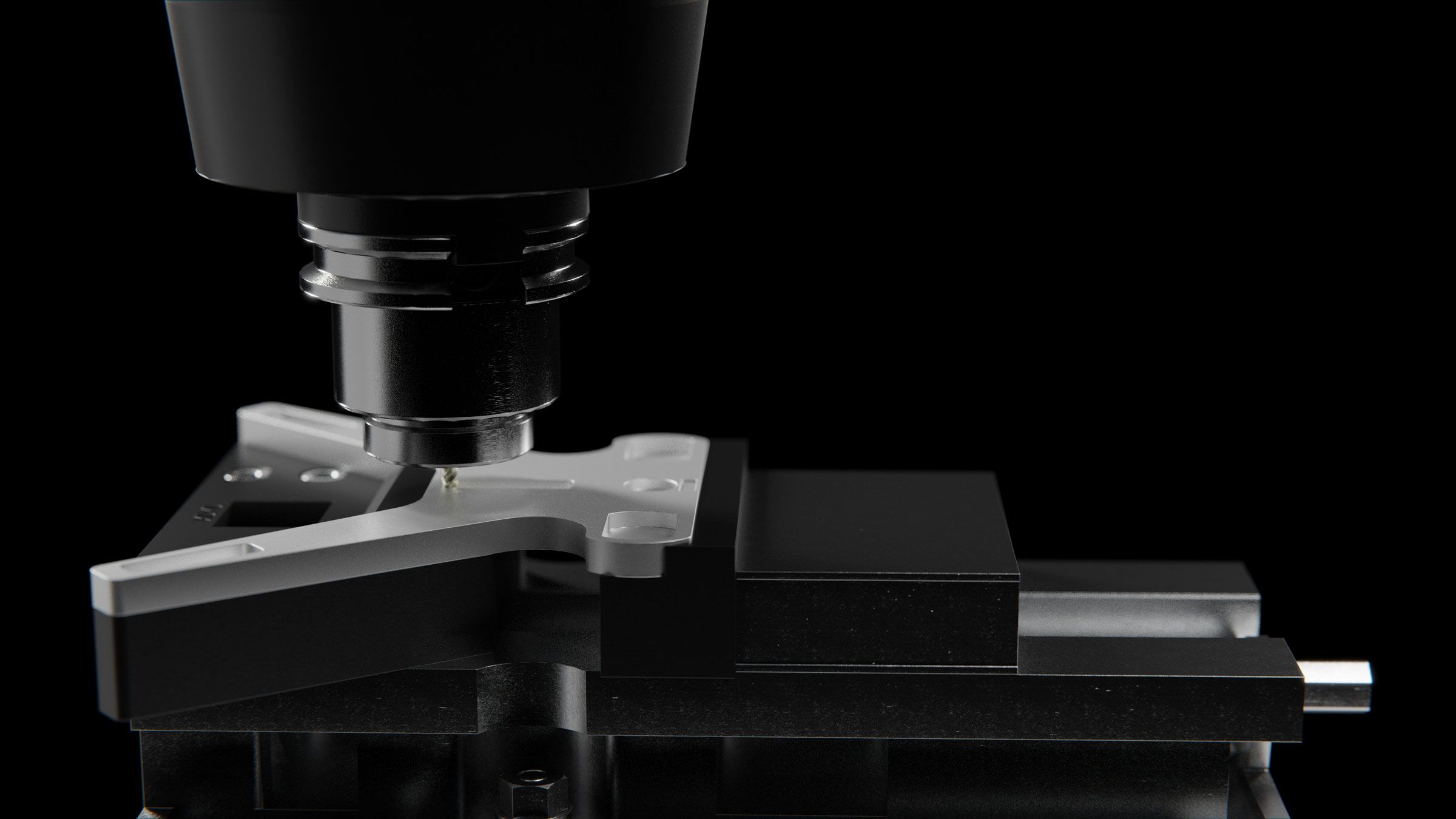
In many machine shops, CNC capacity is seen as a fixed limit – prompting investment in new machines or longer hours when demand rises. But a growing number of UK manufacturers are taking a different approach, rethinking which parts truly need machining and shifting suitable work to faster, more cost-effective technologies like additive manufacturing and 3D scanning.
The Real Constraint Isn’t Always Capacity
When lead times stretch or production backs up, the instinct is to add more resource. But in many cases, the issue isn’t a lack of CNC machines – it’s how they’re being used.
Across manufacturing, high-value machining centres are often tied up producing:
- Jigs and fixtures
- Prototype components
- Legacy or obsolete parts
- Low-volume, complex geometries
- Soft tooling
These are essential items – but they don’t always require subtractive manufacturing. The result is valuable spindle time being consumed by work that could be produced faster and more efficiently elsewhere.
A Simple Self-Audit: What’s On Your CNC Right Now?
If you’re currently machining any of the following, there’s a strong chance you’re limiting your own capacity:
- Fixtures that don’t require tight tolerances or metal strength
- Prototype parts going through multiple design iterations
- Replacement parts without existing CAD data
- Complex geometries requiring multiple setups
- Tooling used for forming, trimming, or positioning
What Should Stay on a CNC?
CNC machining remains critical where it adds the most value:
- Tight tolerances and critical interfaces
- High-performance materials and structural parts
- Precision finishes and repeatability at scale
- The opportunity lies in removing everything else
Where Additive Manufacturing Delivers Immediate Gains
Additive manufacturing offers a practical alternative for many of the parts currently occupying CNC machines.
Jigs and Fixtures
Instead of machining from aluminium, fixtures can be 3D printed with optimised geometries, reduced weight, and integrated features. Lead times can drop from weeks to days, while improving ergonomics on the shop floor.
Prototyping
Design iterations can be produced quickly and cost-effectively, enabling faster development cycles without tying up machining resource. Companies can also trial this approach with minimal commitment by sending a part to the StrongParts bureau, allowing them to evaluate quality, turnaround times, and suitability for their application before investing in in-house capability.
Low-Volume, Complex Parts
Additive removes many of the constraints associated with complex geometries, producing parts in a single build without multiple setups or tooling.
Soft Tooling
For forming or composite applications, high-strength composite materials, such as those used in the Markforged X7, FX10 or FX20, offer sufficient durability without the time and cost of machining metal tools.
Unlocking Legacy Parts with 3D Scanning
A common barrier to moving work away from CNC is the lack of usable CAD data, particularly for older or obsolete components.
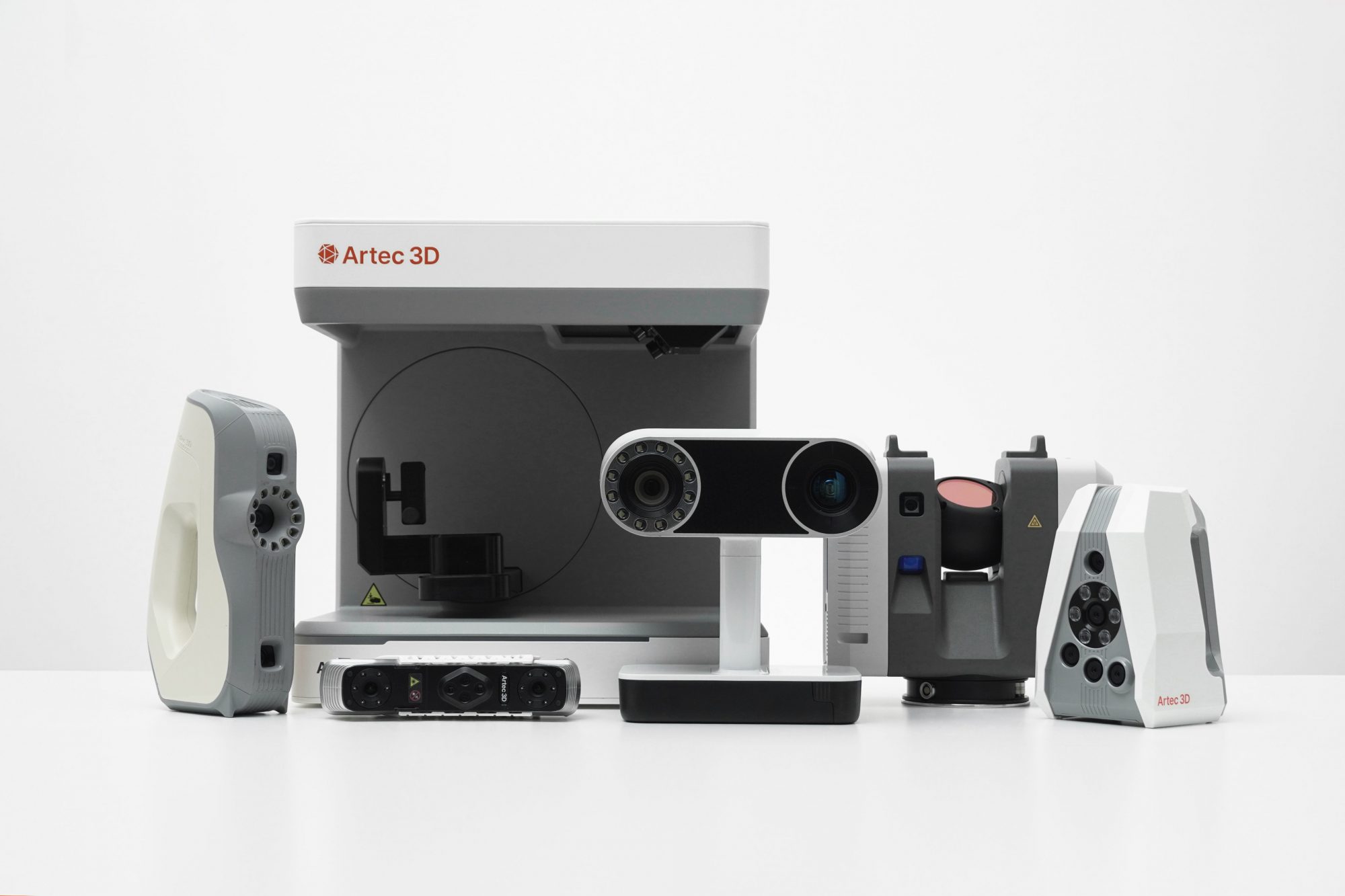
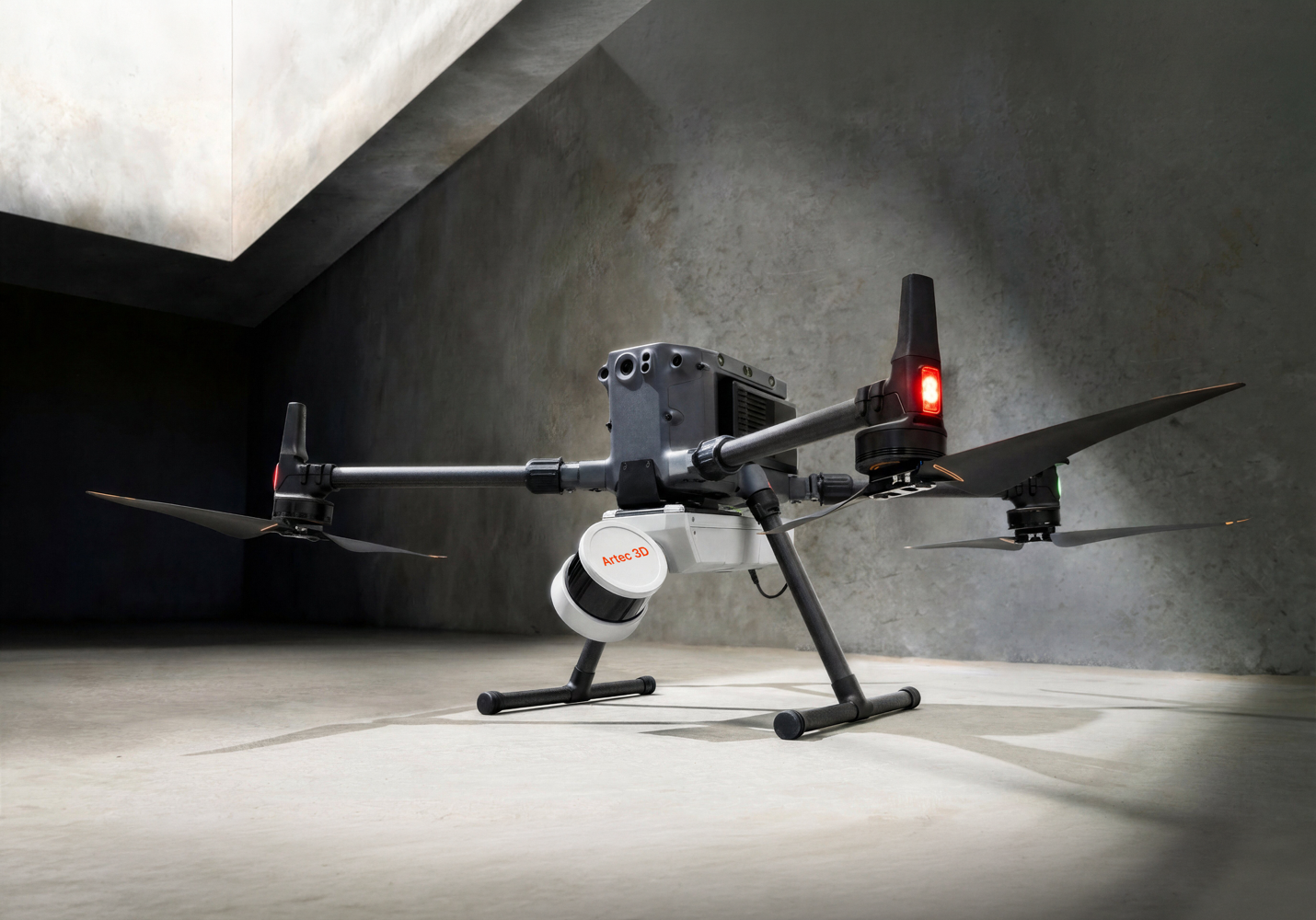
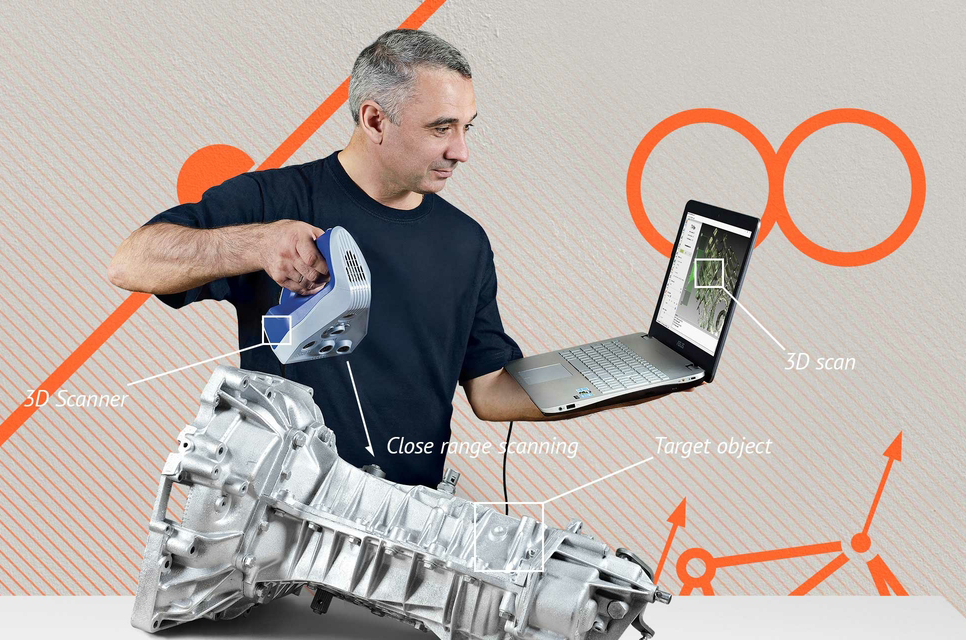
This is where modern 3D scanning plays a key role. Using systems such as the Artec Leo or Artec Spider II, manufacturers can quickly digitise physical parts with high accuracy. The result is a faster, more flexible workflow that removes dependency on legacy drawings or time-intensive manual measurement.
A Practical Example
Consider a typical scenario:
A production team is machining aluminium fixtures with a lead time of 2-3 weeks. Each design change requires reprogramming and re-machining, tying up CNC capacity and delaying production.
By switching to an additive workflow:
- The original fixture is scanned
- Minor design improvements are made in CAD
- The new version is printed overnight
Lead time drops to days, iteration becomes simple, and CNC machines are freed up for higher-value work.
The Business Impact
Reallocating even a small percentage of CNC workload can have a measurable impact:
- Increased throughput on critical production parts
- Reduced lead times across multiple workflows
- Lower cost for non-critical components
- Greater flexibility in prototyping and development
If you’re unsure what could be moved off your CNC machines, we can help assess your current workflow and identify immediate opportunities.
>> Get in touch if you’d like us to help. Alternatively, if you’d just like to see a sample part printed on one of these machines then why not either book a demo or request a sample part from us.
Leave A Comment