
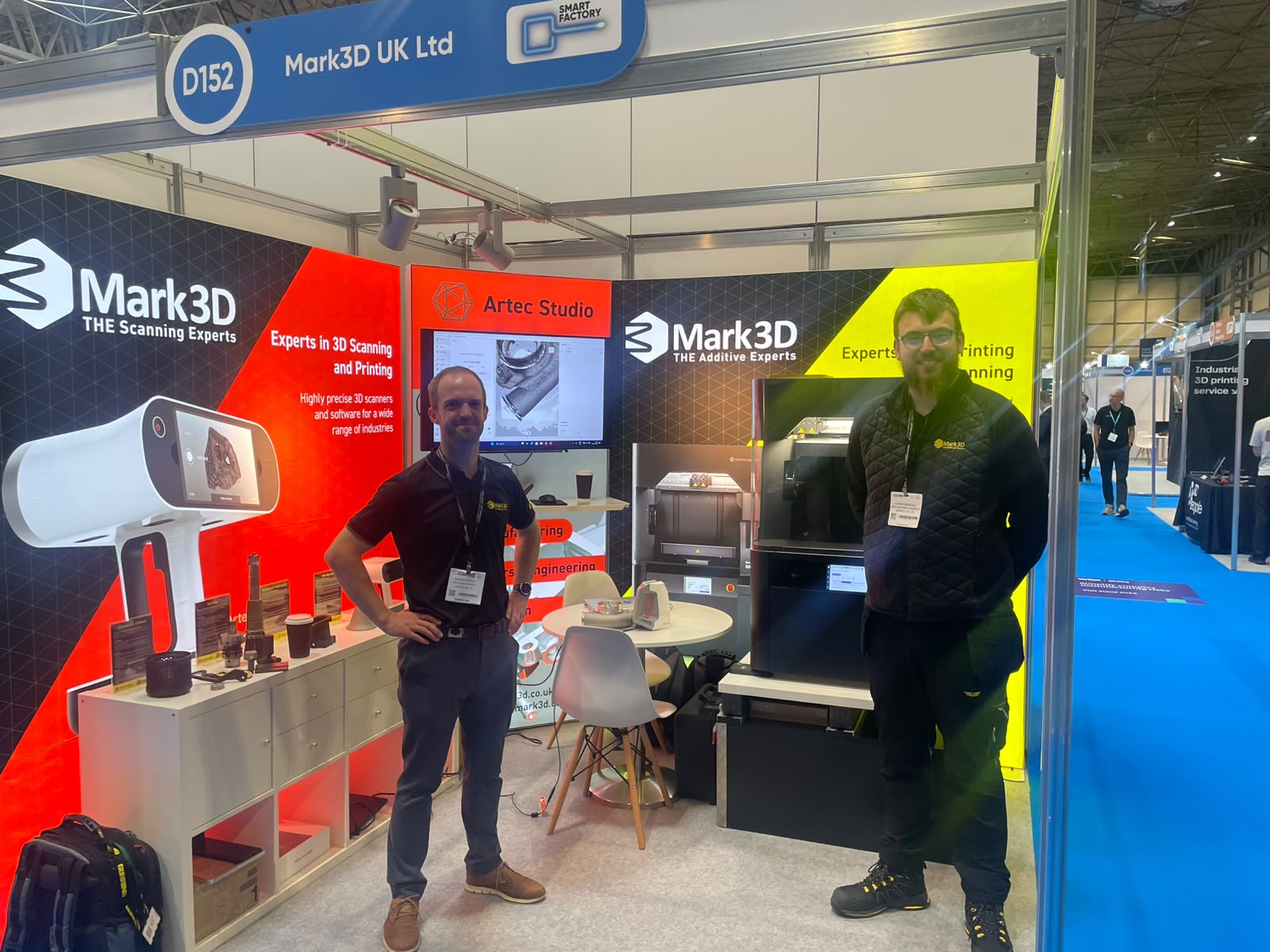
SMART Manufacturing 2026 brought together manufacturers, engineers and technology providers from across the UK, providing a valuable opportunity to discuss the challenges, opportunities and priorities shaping the industry today.
While conversations varied across sectors ranging from food production and packaging through to aerospace and advanced engineering, several common themes emerged throughout the event. What was particularly noticeable was the maturity of many of these discussions. Rather than asking whether technologies such as additive manufacturing and 3D scanning are viable, organisations are increasingly focused on identifying practical applications that deliver measurable business value.
Here are four of the most common topics raised during our conversations at the show.
1. Digital Twins and Legacy Equipment
One of the strongest themes throughout the exhibition was the challenge of maintaining ageing production equipment.
Many manufacturers continue to rely on machinery that may have been operating successfully for decades. However, original CAD files, engineering drawings and technical documentation are often unavailable, particularly following acquisitions, supplier changes or product discontinuations.
Several food and packaging manufacturers described situations where replacement parts can only be sourced directly from the original equipment manufacturer, often at significant cost and with extended lead times. To protect against downtime, many organisations carry large inventories of spare parts, tying up valuable capital in components that may never be used.
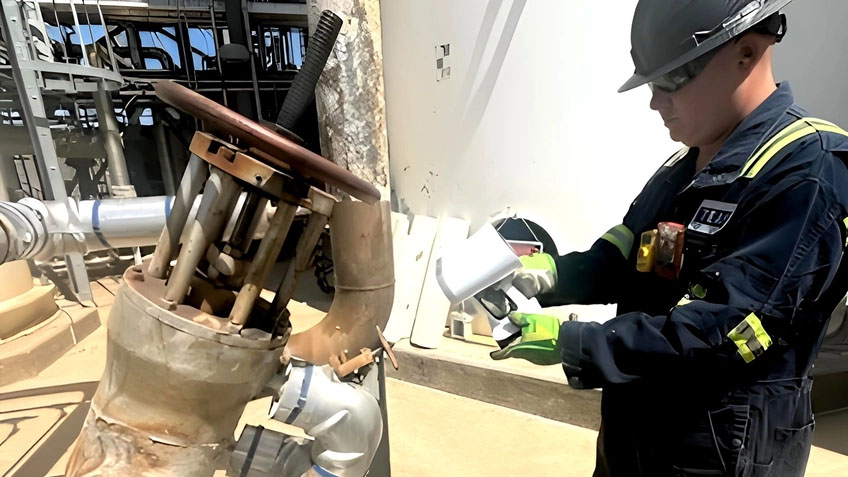
Interest in digital twin creation was particularly high. By using modern 3D scanning technology to capture existing components and assemblies, organisations can create accurate digital records of critical assets. These digital models can then be used for reverse engineering, future manufacturing and long-term asset management.
For many manufacturers, the ability to produce replacement components on demand rather than maintaining extensive physical inventories represents a significant opportunity to reduce costs while improving operational flexibility.
2. Demand for Application-Specific Material Colours
While additive manufacturing discussions have traditionally focused on material properties such as strength, temperature resistance and chemical compatibility, we noticed increasing interest in material colour and visual identification.
Visitors frequently discussed applications where colour plays an important operational role. Examples included blue components for food production environments, red tooling used within aerospace manufacturing processes and brightly coloured visual management aids designed to improve safety and workplace organisation.
As additive manufacturing becomes more deeply integrated into production environments, manufacturers are increasingly looking for materials that align with existing operational standards and identification systems.
This trend reflects a broader shift in how additive manufacturing is being adopted. Rather than existing as a separate engineering function, 3D printing is becoming embedded within everyday manufacturing operations where usability, traceability and visual management are important considerations.
3. Growing Interest in Larger Format Additive Manufacturing
Many visitors were already familiar with the benefits of additive manufacturing for fixtures, prototypes and smaller production aids. However, a growing number of conversations focused on how these benefits could be extended to larger applications.
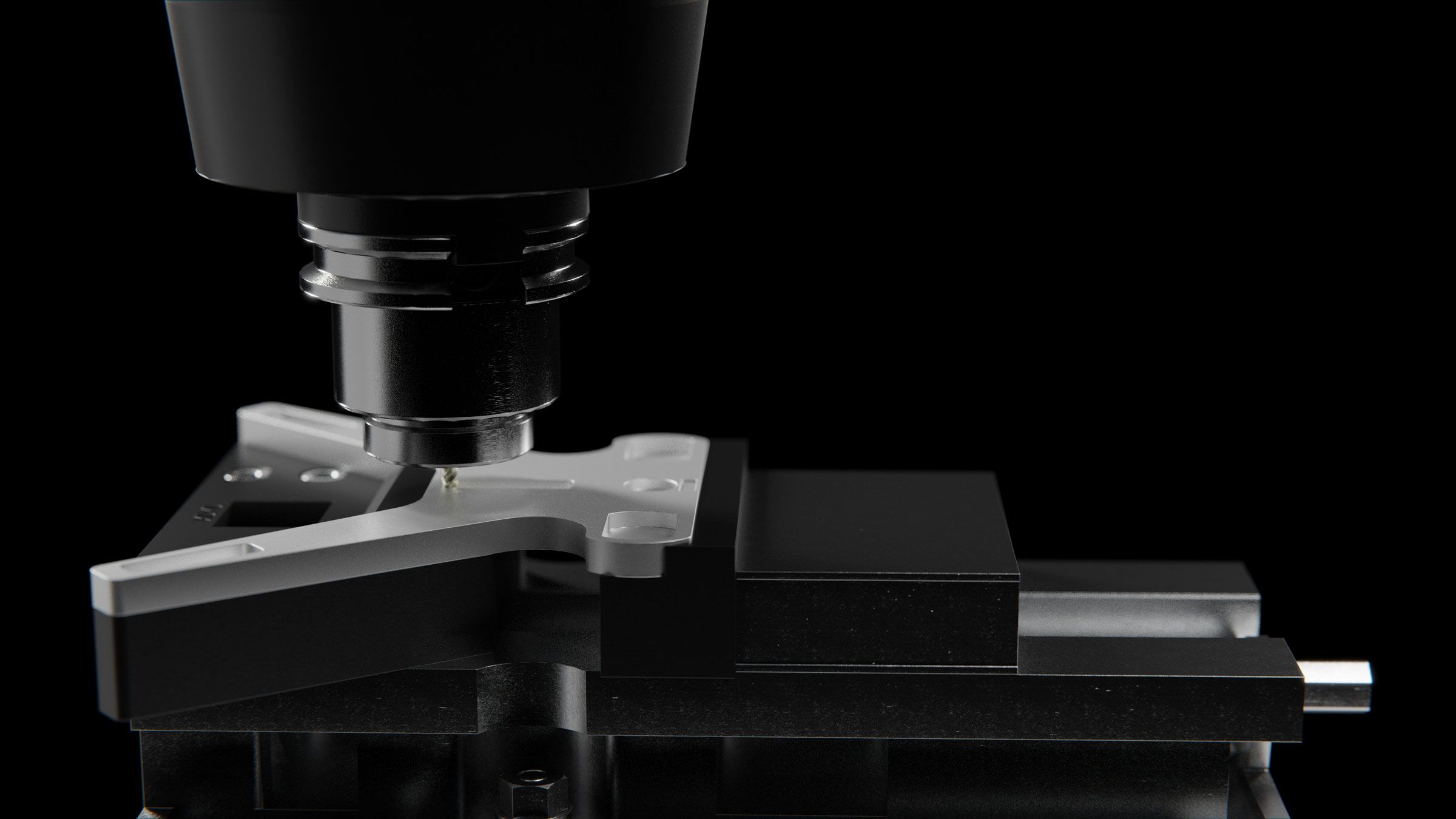
Manufacturers are increasingly exploring opportunities to produce larger assembly fixtures, inspection tooling, mould tools and production aids using additive manufacturing technologies. The potential advantages are familiar: shorter lead times, reduced outsourcing costs and greater flexibility when designs change.
What appears to be changing is the scale of the applications being considered. As confidence in additive manufacturing grows, organisations are becoming more comfortable replacing conventionally manufactured tooling with larger composite printed alternatives.
This reflects an ongoing evolution in how manufacturers view additive technology. Increasingly, it is being considered not simply as a prototyping tool, but as a practical production resource capable of supporting day-to-day manufacturing operations.
4. Faster Scanning Workflows Are Becoming a Priority
A few years ago, many conversations around 3D scanning focused almost exclusively on accuracy. While accuracy remains critical, discussions at SMART Manufacturing revealed a growing focus on workflow efficiency.
Engineers wanted to understand how quickly scanned data could be processed, how long it takes to generate usable CAD information and how efficiently reverse engineering projects can be completed.
This reflects a growing understanding that the value of 3D scanning is not simply capturing geometry. The real benefit comes from how quickly that information can be transformed into actionable engineering data.
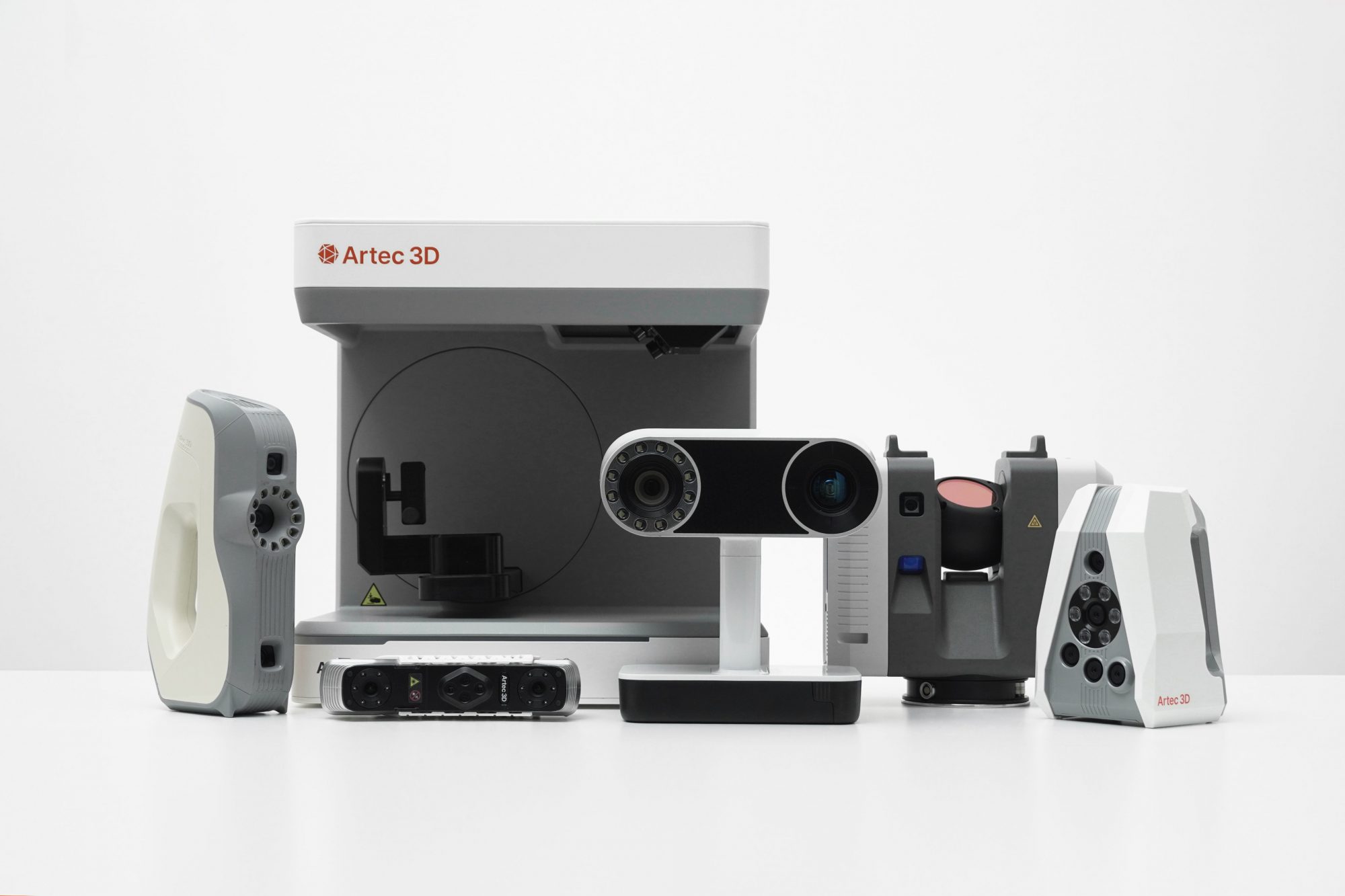
Advances in modern scanning software continue to reduce processing times and simplify workflows, helping organisations move from physical object to usable digital model faster than ever before. As these workflows continue to mature, barriers to adoption are reducing and the technology is becoming increasingly accessible to engineering teams of all sizes.
Looking Ahead
Perhaps the most interesting takeaway from SMART Manufacturing 2026 was not any individual technology, but the way these technologies are increasingly being combined.
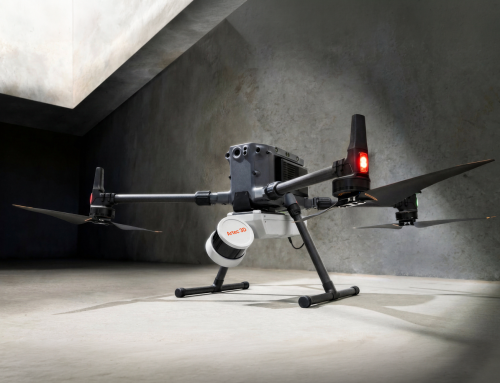
Whether creating digital twins of legacy equipment, capturing large-scale environments, producing production tooling or accelerating reverse engineering projects, manufacturers are building connected digital workflows that help them respond faster, reduce costs and improve resilience.
As these technologies continue to evolve, organisations that successfully integrate digital capture, digital design and digital manufacturing capabilities are likely to gain significant competitive advantages in the years ahead.
We would like to thank everyone who visited the Mark3D stand during the event. We look forward to continuing these conversations and helping manufacturers identify practical opportunities to apply these technologies within their own organisations.
Leave A Comment