
3D Printing for Additive Manufacturing
Additive manufacturing 3D printing: for prototyping and manufacturing
Additive manufacturing 3D printing for prototyping and manufacturing gives engineering and production teams a flexible way to create prototypes, tooling and production parts directly from digital designs.
Used alongside established manufacturing processes, industrial 3D printing can support faster design iteration, reduce pressure on conventional machining equipment and provide a practical route for producing complex or lower-volume parts.
Mark3D helps manufacturers identify where additive manufacturing can fit within existing engineering and production workflows.
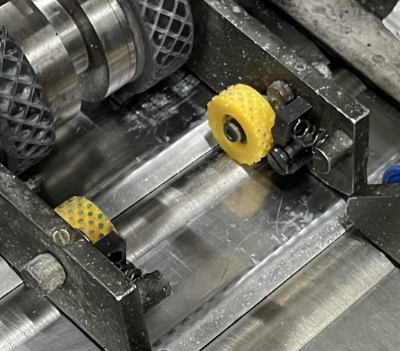
3D printing for prototyping and manufacturing
Additive manufacturing 3D printing for prototyping and manufacturing can support applications from early-stage design validation through to production tooling and end-use parts.
Because components are built layer by layer rather than machined from a larger block of material, engineers can produce geometries that may be difficult or inefficient to manufacture conventionally.
The technology can also complement processes such as CNC machining, giving manufacturers another production option based on the requirements of the part.

Rapid prototyping with additive manufacturing
Rapid prototyping allows engineering teams to turn CAD data into physical parts for design reviews, fit checks, functional testing and development.
Multiple iterations can be produced without committing CNC capacity to every design change, making 3D printing useful where parts need to evolve quickly during development.
Typical applications include:
- Design and fit checks
- Functional prototypes
- Engineering validation
- Product development
- Low-volume trial parts
For engineering teams, 3D printing for additive manufacturing and rapid prototyping workflows can provide a direct route from digital design to physical evaluation before a part moves further into production.
Additive manufacturing alongside CNC machining
3D printing and CNC machining can perform different roles within the same manufacturing environment.
CNC machining remains important where tight tolerances, particular materials or specific surface finishes are required. Additive manufacturing can take on suitable work such as prototypes, jigs, fixtures, soft tooling and low-volume components.
Moving appropriate parts away from machining can help businesses reserve CNC capacity for applications that genuinely require it.
Mark3D explores this approach further in Freeing CNC Capacity Without Buying Another Machine, including how manufacturers can identify work that may be better suited to additive manufacturing.
For a closer comparison of the two processes, Mark3D’s guide to the difference between 3D printing and CNC machining covers design considerations, tolerances, materials and part costs.


From prototype to production
Additive manufacturing 3D printing for prototyping and manufacturing can continue to provide value as a design moves from development into production.
Depending on the application, additive manufacturing can be used for tooling, production aids, low-volume parts and components with complex geometries.
Keeping the process digital also makes it easier to revise a design and manufacture a new version without creating dedicated tooling for every change.
This gives manufacturers greater flexibility when production volumes are lower, designs change regularly, or conventional processes introduce unnecessary complexity.
Choosing the right manufacturing process
The most appropriate manufacturing method depends on the application.
Material properties, tolerances, geometry, production volume, surface finish and working environment all need to be considered when deciding whether a part is better suited to additive manufacturing, CNC machining or another production process.
Mark3D works with engineering and manufacturing teams to assess these requirements and identify where industrial 3D printing can complement their existing capabilities.
Speak to Mark3D about additive manufacturing
If you are exploring additive manufacturing for prototyping, tooling or production applications, Mark3D can help assess your requirements and identify suitable technology.
Our team can advise on industrial Markforged 3D printing systems, materials and applications based on the parts you need to produce.
Contact Mark3D to discuss your additive manufacturing requirements.
Mark3D UK Limited
Romsley Point
Farley Lane, Romsley, Halesowen, B62 0LG
Phone: +44 121 661 1151
Freephone: 0800 193 3650
Email: printstronger@mark3d.co.uk
World market leaders rely on Markforged 3D printers

Learn more about applications with metal 3D printing!
For which applications is the Metal X suitable? How do I design correctly for metal 3D printing? What do users say and where can I find more information? – This is the right place for you! We listed some information leading you directly to the matching answers.
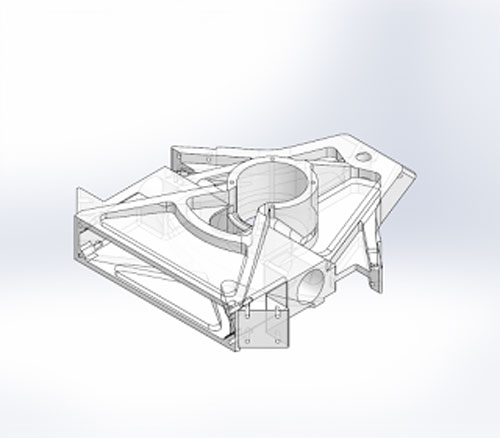
Design Guide
DfAM – How do you design your part best for metal 3D printing? In this guide you will find valuable tips on design, material selection and post-processing.
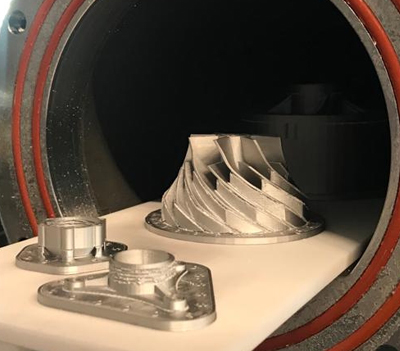
Problemes to solve
In this white paper, we take a look at three benefits of metal additive manufacturing and three problems the technology is perfectly suited to solve.
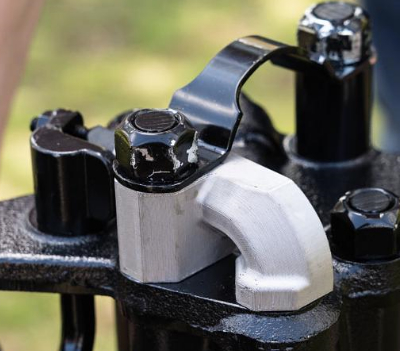
Case Study
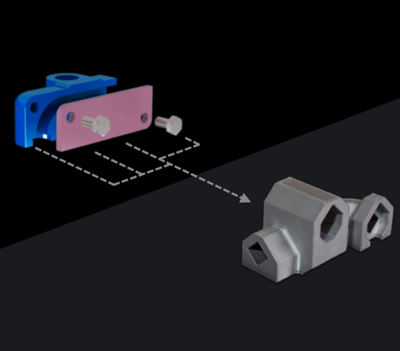
In this practical case study from Stanley Black & Decker, cost and lead time were saved by optimizing an assembly.
Webinar
An application engineer from Markforged explains the Metal X system and which materials are available. He also shows a complete run from printing to the finished part.