
Metal 3D Printing Materials
The Markforged FX10 –
Now also 3D prints metal




Metal 3D Printing
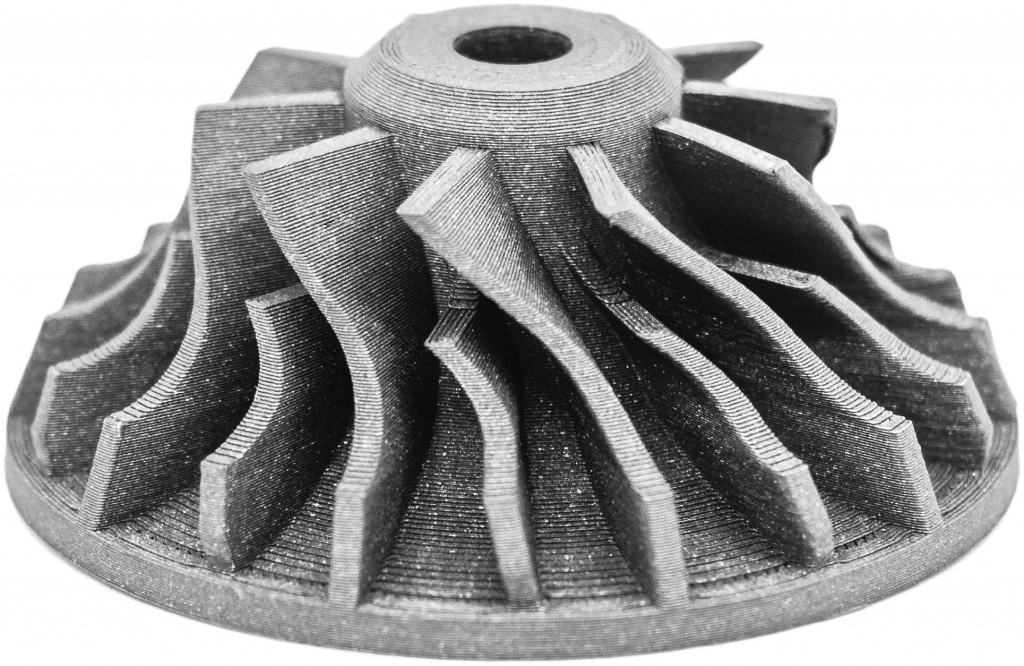
Print strong, accurate metal parts in-house with Markforged metal 3D printing materials, supplied and supported by Mark3D.
From stainless steel and tool steel to Inconel 625 and copper, Markforged metal materials give engineering and manufacturing teams a practical way to produce functional prototypes, tooling, spare parts, and low-volume production components without relying solely on machining or external suppliers.
Mark3D can help you choose the right material, review your application and understand whether an industrial metal 3D printer is the right fit for your parts.
Markforged metal 3D printing materials
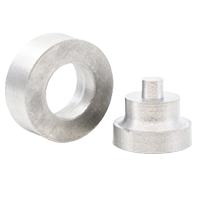
Stainless steels
For strong, corrosion-resistant metal parts used in general engineering and production environments.

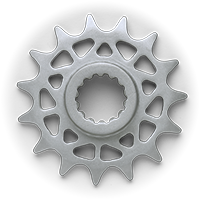
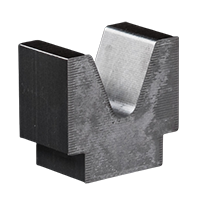
Tool steels
For durable tooling, fixtures, and wear-resistant parts used in manufacturing environments.
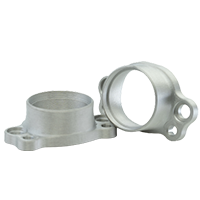
Specialist metals
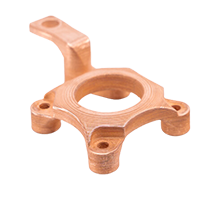
For demanding applications where heat resistance, corrosion resistance, or conductivity is critical.
FX10 metal and Metal X materials
For metal 3D printing, Mark3D can help you choose between the dedicated Markforged Metal X system and the FX10 Metal, a hybrid platform for teams that require both composite and metal printing capability from one machine.
FX10 Metal is suited to businesses that need flexibility rather than high-volume metal production. This can make it a strong fit for subcontractors, workshops, and engineering teams that may not have enough metalwork to justify a dedicated metal printer, but still want the option to print metal parts when the need arises.
FX10 Metal currently supports 17-4PH stainless steel and 316L stainless steel.
For businesses with a broader or more regular requirement for metal parts, Metal X offers access to a wider established material range, including stainless steels, tool steels, Inconel 625, and copper.
This gives manufacturers a choice between a flexible hybrid system for mixed composite and metal workloads or a dedicated metal 3D printer for a wider range of metal applications.
For higher-volume metal additive manufacturing, Markforged PX100 binder jetting may also be available, which is typically suited to more demanding series production requirements.
Why use metal 3D printing?
Metal 3D printing helps manufacturers create strong, functional parts faster and with more design freedom than many traditional production routes. With an in-house 3D metal printer, teams can reduce supplier lead times, produce complex geometries, iterate designs quickly, and manufacture parts at the point of need.
Metal 3D printing is especially useful for:
- Functional prototypes
- Production tooling
- Jigs, fixtures, and manufacturing aids
- Spare and replacement parts
- Low-volume production components
- Complex metal parts that are difficult to machine

Learn more about applications with metal 3D printing!
For which applications is the Metal X suitable? How do I design correctly for metal 3D printing? What do users say and where can I find more information? – This is the right place for you! We listed some information leading you directly to the matching answers.
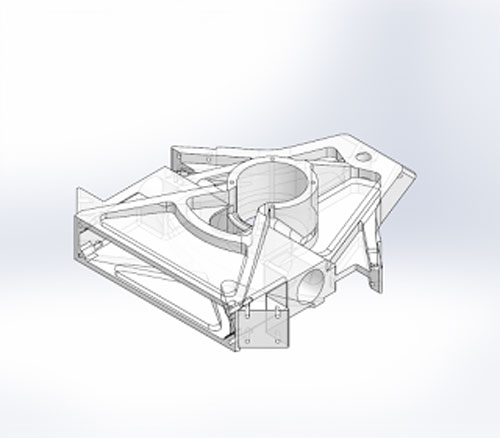
Design Guide
DfAM – How do you best design your part for metal 3D printing? In this guide you will find valuable tips on design, material selection and post-processing.
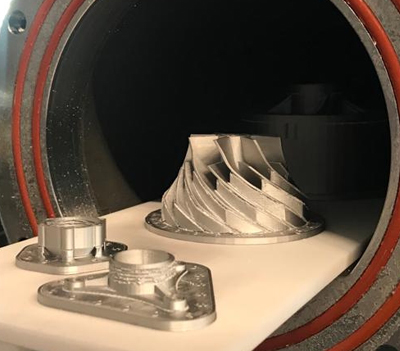
Problems to solve
In this white paper, we take a look at three benefits of metal additive manufacturing and three problems the technology is perfectly suited to solve.
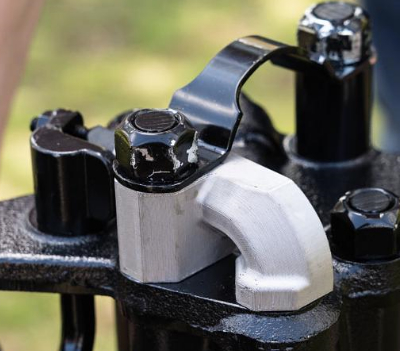
User Case Study
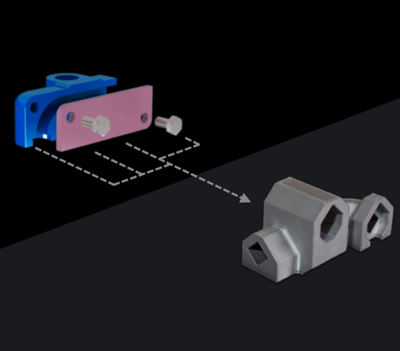
In this practical case study from customer Stanley Black & Decker, we learn how large cost and lead times were saved by optimizing an assembly.
Webinar
An application engineer from Markforged explains the Metal X system and which materials are available. He also shows a complete run from printing to the finished part.
Choosing the right metal 3D printing material
The best material depends on the part’s function, environment and performance requirements.
Choose stainless steel for corrosion-resistant engineering parts, tool steel for wear-resistant tooling, Inconel 625 for heat and corrosion resistance, and copper for thermal or electrical conductivity.
Not sure which metal is right for your application? Mark3D can review your part and recommend the best Markforged material for your requirements.

Talk to Mark3D about metal 3D printing
Whether you are comparing metal 3D printing materials, looking for an industrial metal 3D printer or planning to bring metal part production in-house, Mark3D can help.
Request a sample part or book an application review to discuss your requirements with a Mark3D specialist.